7 Signs You Might Need to See an Orthodontist Soon
7 Signs You Might Need to See an Orthodontist Soon
Orthodontic issues often sneak up on us. What starts as a slightly crooked tooth or a mild bite problem can gradually turn into a source of discomfort, hygiene trouble, or even a dent in your confidence. Whether you're a parent watching your child's teeth develop, or an adult wondering if that shifting bite actually matters — it helps to know the early signs that a specialist's opinion is worth considering.
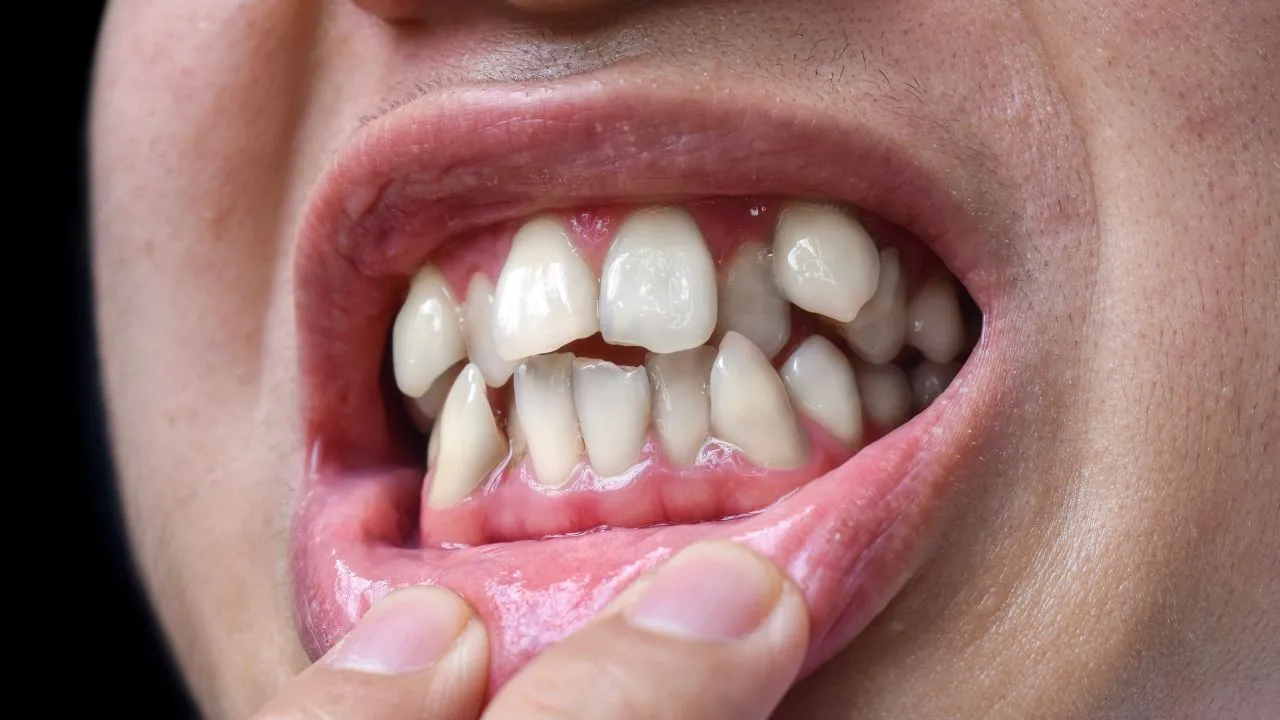
Here are 7 signs that could mean it's time to see an orthodontist.
1. Teeth That Overlap, Twist, or Feel Crowded
When teeth don't have enough room to sit comfortably, they can overlap, twist, or look tightly packed. This doesn't just affect appearance — it makes cleaning harder, raising the risk of plaque buildup, cavities, and gum problems.
What to Know
Aligning crowded teeth isn't just cosmetic — it protects long-term oral health.
2. A Bite That Feels "Off" — Overbite, Overjet, Underbite, or Crossbite
If your top teeth sit too far forward (overbite), your bottom teeth stick out (underbite), or your teeth don't meet properly (crossbite), it can lead to uneven wear, jaw strain, or even speech difficulties over time.
What to Know
A well-aligned bite supports easier chewing, clearer speech, and less jaw discomfort.
3. Trouble Chewing Food
Do you struggle to bite into an apple, or find yourself chewing only on one side of your mouth? This can signal misalignment or improper jaw coordination — both of which an orthodontist is trained to evaluate and correct.
What to Know
Chewing should feel effortless. If it doesn't, there's usually an underlying cause worth checking.
4. Some Speech Sounds Are Hard to Pronounce
Certain speech issues, like lisps or unclear pronunciation, can be linked to tooth positioning. Speech therapy can help, but when the root cause is dental, a joint approach works best.
What to Know
Correcting tooth alignment can improve both speech and confidence — especially in growing children.
5. Mouth Breathing, Especially at Night
If your child breathes through their mouth or snores, it may be tied to jaw development or teeth alignment. Narrow dental arches and improper bite positioning often contribute to these habits.
What to Know
An orthodontic evaluation can catch issues early, potentially avoiding more complex problems later.
6. Jaw Clicking, Popping, or Discomfort
A clicking or popping jaw — especially when chewing, smiling, or talking — can signal stress on the jaw joints, often caused by teeth that don't line up properly.
What to Know
Orthodontic care can relieve jaw tension by correcting the underlying bite.
7. Baby Teeth Falling Out Too Early or Too Late
In children, the timing of baby teeth loss affects how adult teeth come in. Losing baby teeth too soon (due to decay or injury) or too late (past the usual age) can cause crowding or misalignment in adult teeth.
What to Know
Early orthodontic checks — often recommended around age 7 — help track and guide proper development.
Orthodontic Care Is About Prevention, Not Just Appearance
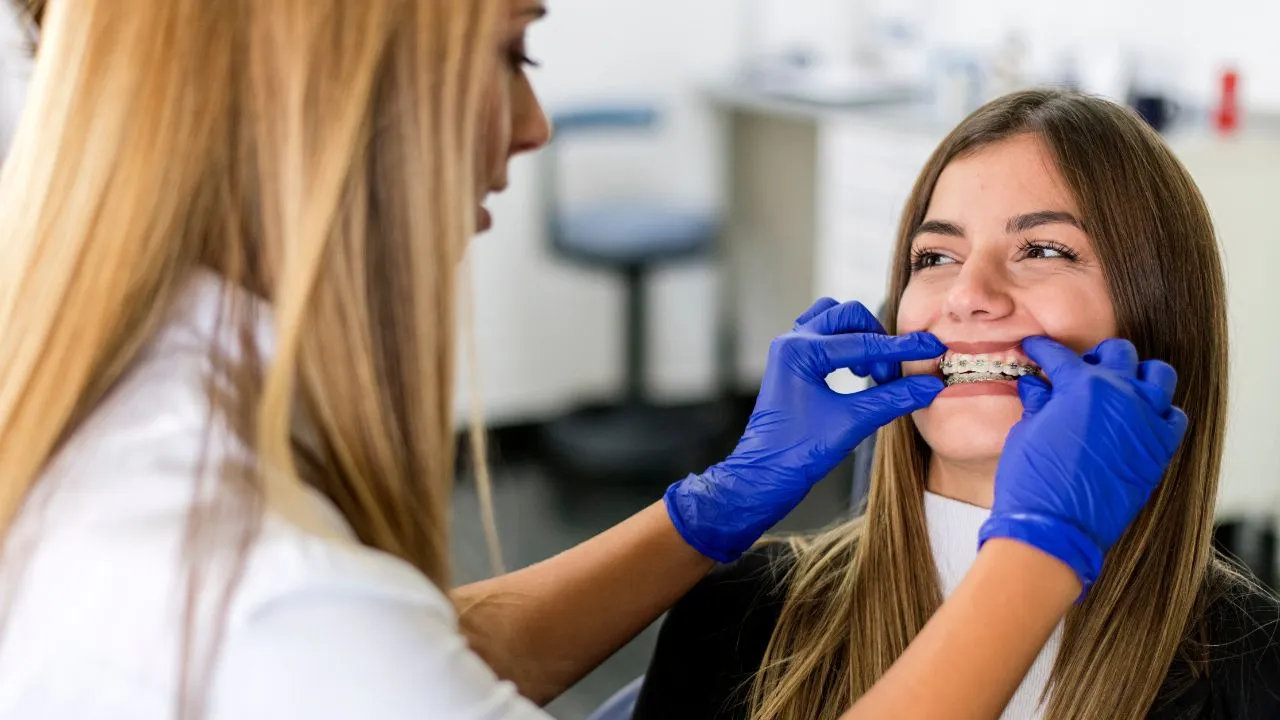
Many people assume braces or aligners are only about a straighter smile. In reality, they often prevent more serious issues — from premature tooth wear to gum problems and chronic jaw pain.
An orthodontic consultation doesn't mean you'll walk out with braces. For kids, early monitoring often helps avoid more complicated treatment later. For adults, modern options like clear aligners make it easier and more discreet to correct alignment at any age.
Where to Get Expert Orthodontic Advice
If any of these signs sound familiar, it's worth booking a consultation with a qualified orthodontist near you. Across India, many multi-specialty dental clinics now offer advanced tools like 3D scanning and personalized aligner plans — making orthodontic care more accessible and comfortable than ever.
At clinics like Singh Dental Care, you'll find a team experienced in both simple and complex orthodontic cases, backed by modern technology and a patient-first approach.
Real Experiences from Real Patients
Parent, Delhi
"My daughter had crowding in her teeth, and we were worried about her smile. The orthodontist explained everything clearly, and the journey has been smooth."
Rajesh, 34, Mumbai
"I didn't think adults could benefit from braces, but I was wrong. Clear aligners helped me correct a long-standing bite issue."
So, What's Next?
If you're unsure whether you or your child needs orthodontic attention, start by observing daily habits — chewing, speaking, smiling, breathing, and jaw movement. You don't need to wait for pain or a visible problem to reach out.
Tip: Consider an orthodontist visit by age 7 for children, and anytime you notice a change in bite or alignment as an adult.
Written by Dr. Bhawna Tickoo
Frequently Asked Questions
What are the signs that I need an orthodontist?
At what age should a child first see an orthodontist?
Can adults get orthodontic treatment too?
Does jaw clicking always mean I need braces?
Is orthodontic treatment only about appearance?
Does visiting an orthodontist mean I'll definitely need braces?
Can crooked teeth affect speech?
Dr. Bikram
BDS & Fellowship in ImplantologyChief Dental Surgeon & Implantologist • Singh Dental Care
This article has been authored and clinically verified by licensed dental professionals at Singh Dental Care to ensure evidence-based, safe, and accurate oral healthcare guidance.