Diwali Sweets and Your Teeth
Diwali Sweets and Your Teeth: How to Protect Your Smile This Festive Season
Diwali sweets don't ruin your teeth on their own. Frequent sugar through the day, skipped brushing and skipped flossing do. Eat sweets with meals, drink water afterwards, brush twice daily with fluoride toothpaste, floss daily, and see a dentist if sensitivity or pain persists.
Eating sweets during Diwali isn't the issue. Overindulgence, neglected brushing and poor dental hygiene are.
Eat sweets once in a while, preferably with meals, and follow with water.
Brush twice a day with fluoride toothpaste and floss daily.
Cavities don't form overnight. Tooth decay is a slow process.
See your dentist if you have pain, lasting sensitivity or other warning signs.

Diwali is a festival that is almost synonymous with sweets. Kaju katli is lying around at home, gulab jamun is served at every family get-together, and friends always drop by with a box of laddoos. How can anyone resist? You don't have to. Enjoying your sweets is fine, and the way you eat them makes all the difference. An occasional treat usually won't cause problems, but eating sweets regularly while not brushing and flossing will.
A Real Patient Case: Eating Sweets All Day Long
Not long before Diwali, a young patient came to my practice complaining of tooth sensitivity. "Doctor, my teeth have really been hurting recently. Do you think it's because I have been eating too many sweets?" he asked.
His family was already preparing for the festival, and he had been visiting relatives often. At every visit he ate mithai, and he admitted to eating it three to four times a day. I asked him, "Do you normally eat sweets after a meal or during the day?" He smiled and replied, "When I feel like it!"
That answer highlights the real issue. It isn't only that he ate sweets. It was how often he ate them.
How Do Diwali Sweets Damage Your Teeth?
Sweets harm teeth because the bacteria that naturally live in your mouth feed on sugar and produce acid. Every time you eat something sweet, these bacteria use the sugar and create acidic waste. The acid slowly erodes enamel, the hard shell covering your teeth, which raises the risk of cavities. Over time the tooth weakens and starts to decay.
Normally, saliva buffers these acids and allows some natural repair. But if you eat sugary foods and drinks continuously through the day, your teeth don't get enough time to repair. During Diwali, sweets are served after meals, during visits and between meals, so it is crucial to stay in control of how often you eat them.
Which Diwali Sweets Are Worst for Your Teeth?
It depends on three things: how sugary the sweet is, its texture, and how often you eat it. Some sweets are very sticky and others are loaded with sugar syrup.

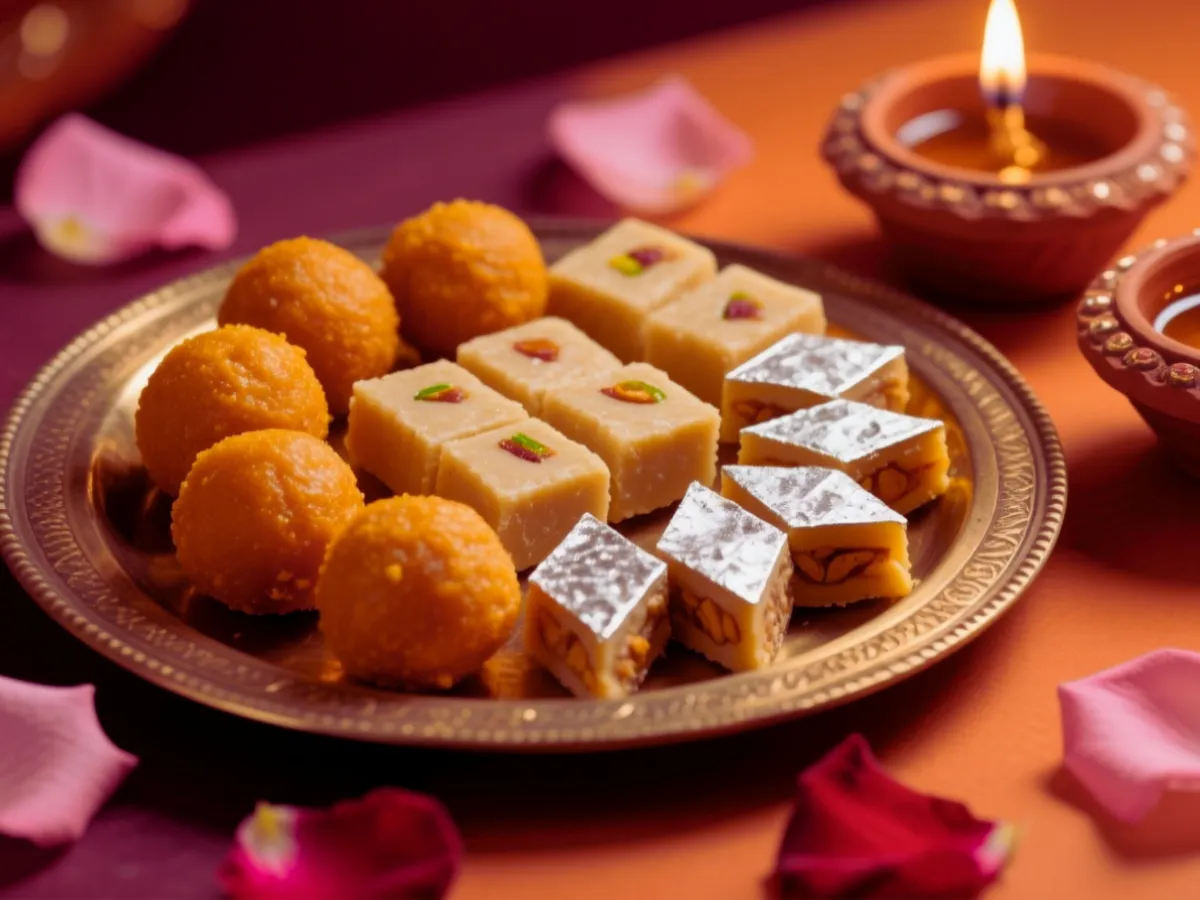
Sticky Sweets: Gulab Jamun, Laddoo, Chikki and Barfi
Gulab jamun, laddoos, chikki and certain varieties of barfi are among the most common festive sweets. They are fairly sticky, so they cling to your teeth. The longer these sweet particles stay in your mouth, the more opportunity bacteria have to attack the sugars. They are not bad to eat, but try not to eat them throughout the day.
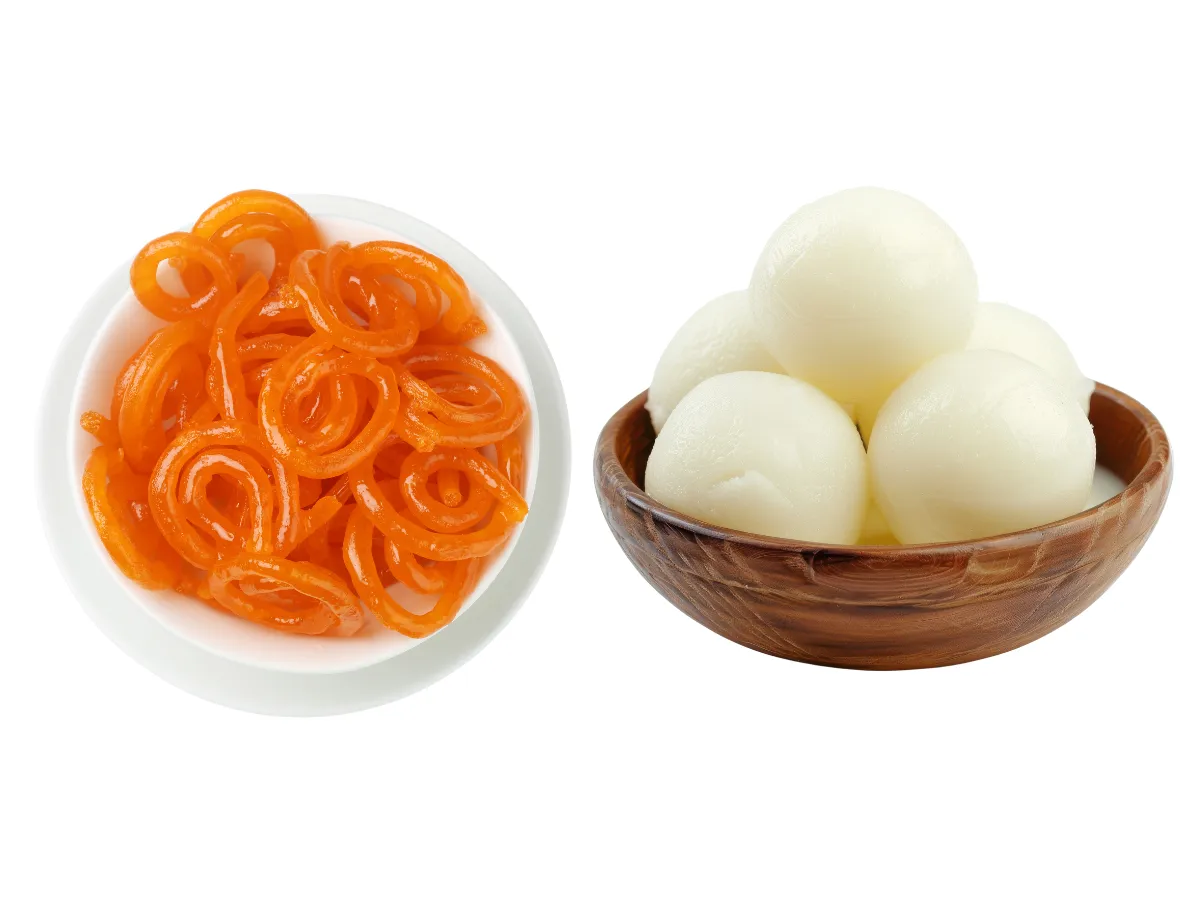
Syrup-Based Sweets: Jalebi and Rasgulla
Jalebi, rasgulla and similar sweets are loaded with sugar. If you eat them only once or twice, you shouldn't have any problems. If you start eating them more often, you might.
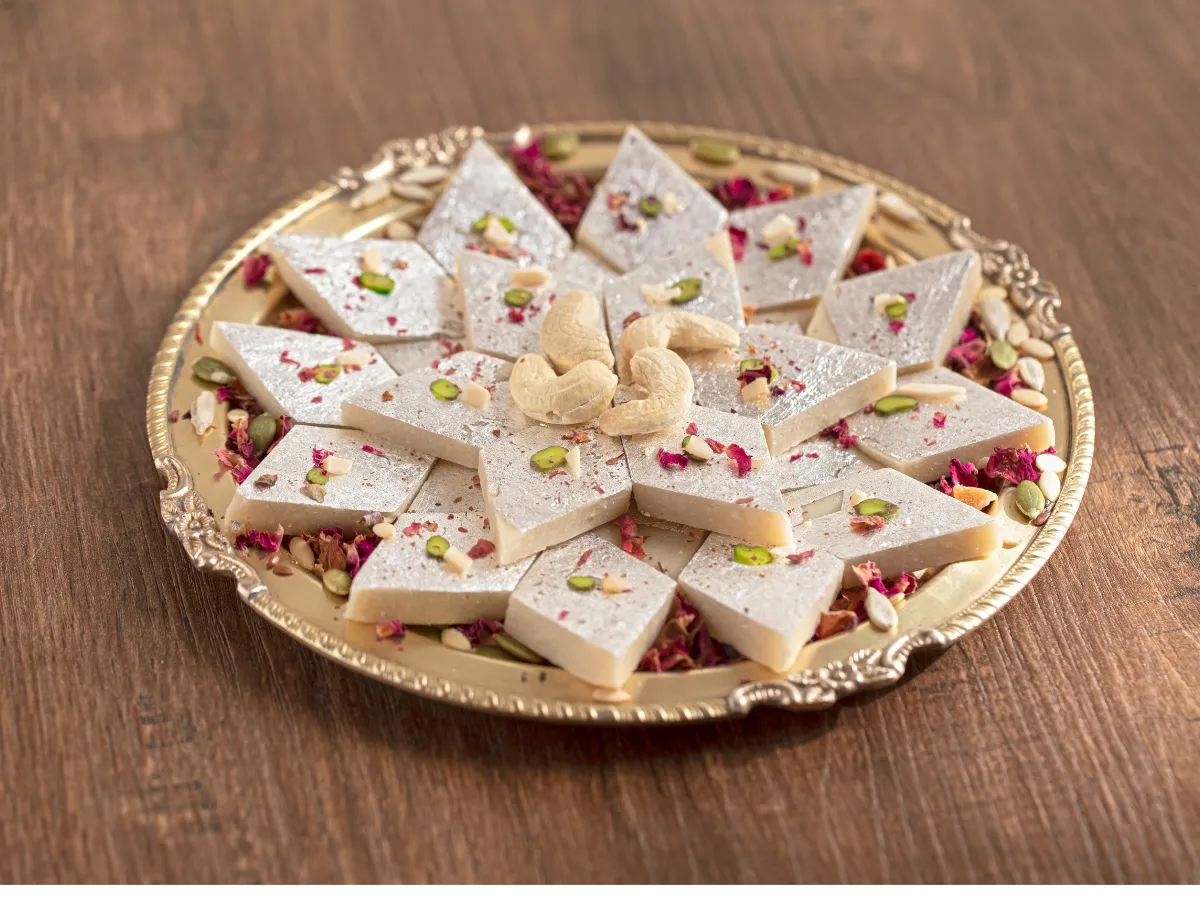
Dry Fruit and Nut Sweets: Kaju Katli and Dry Fruit Barfi
Kaju katli and dry fruit barfi are considered a healthier choice. Nuts are generally good for your teeth, but many traditional nut sweets contain added sugar. Because these sweets are prepared with sugar, they can still cause tooth decay even though they contain dry fruits or nuts. They can still be eaten.
Do You Need to Avoid Sweets During Diwali?
Absolutely not. Diwali is a time to celebrate, spend time with family and enjoy the food we love. As a dentist, I don't believe you should give up your favourite mithai just to look after your teeth. All you need are a few smart choices.
7 Dentist Tips to Protect Your Teeth This Diwali
1. Eat Sweets With Meals
Have your piece of sweet at mealtime. That way your teeth are not exposed to sugar constantly, and saliva helps neutralise the acids. This is an easy tip to follow.
2. Drink Water After Eating Sweets
After enjoying your mithai, drink some water or rinse your mouth with it. This helps wash away food particles. Water alone isn't a great way to prevent cavities, but it is certainly a good habit to develop.
3. Brush Twice a Day With Fluoride Toothpaste
Diwali means evenings at home with friends and family, and you might forget to brush in the middle of it all. It is still essential to brush twice a day with fluoride toothpaste. Brush for at least 2 minutes, and don't forget your gum line and chewing surfaces. Always brush before sleeping, so you don't leave food particles or plaque on your teeth.
4. Floss Once a Day
Have you eaten a barfi or laddoo and felt something stuck between your teeth? A toothbrush can't reach every part of your teeth, especially the gaps between them. Floss once daily to remove debris and plaque. If you already floss, continue. If you haven't started, now is the perfect time.
5. Don't Eat Sweets Every Few Hours
If you have dessert after lunch and then eat sweets again an hour later, your teeth face far more sugar exposure. Choose a particular time for your sweet and don't snack on sweets throughout the day. You can still have mithai, just be mindful of how often you eat it.
6. Avoid Hard Sweets or Break Them Into Pieces
Some treats contain hard nuts, sugar crystals or crunchy ingredients. Biting down hard on these can crack a tooth or damage existing dental work, especially crowns, veneers, large fillings or root canals. If a sweet looks too hard, break it into smaller pieces. Being careful helps you avoid a dental emergency.
7. Don't Ignore Tooth Sensitivity
Do you feel sharp pain when you drink cold water or eat something sweet? Tooth sensitivity can be caused by:
Tooth decay
Enamel erosion
Gum recession
Cracked teeth
Defective fillings or other restorations
You can have a cavity without sensitivity. But if sensitivity lasts for days, gets worse, or is centred on one particular tooth, it is time to get it checked. Don't wait until the holiday is over to deal with it.
Can Children Enjoy Diwali Sweets?
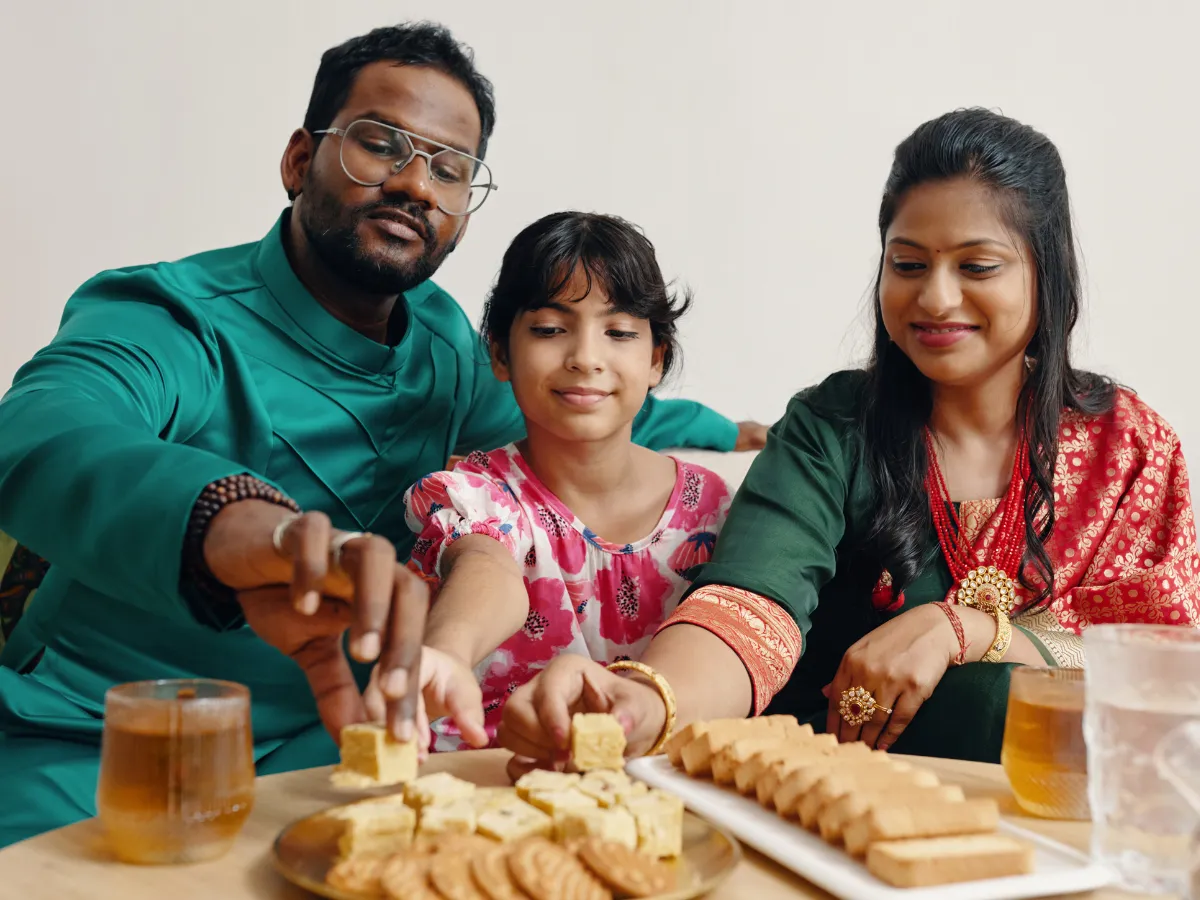
Of course. Diwali is just as much fun for children, and there are plenty of sweets involved. However, children's teeth are even more susceptible to decay when they eat a lot of sugar. Here is what parents can do:
Avoid giving children sugary treats at frequent intervals between meals.
Ask them to drink water after eating sweets.
Make sure they brush twice a day with a fluoride toothpaste suitable for their age.
Supervise brushing, especially in younger children.
Make sure they brush before bed, even if they have been drinking.
Build a routine where dental hygiene doesn't feel like a burden. It's never too early to teach your child healthy habits.
Can Diwali Sweets Cause Cavities Overnight?
No. Cavities don't usually form in a day. Tooth decay is a slow process made up of repeated acid attacks, gradual mineral loss from the enamel and, finally, breakdown of the tooth itself. Regular sugar intake combined with improper brushing can lead to cavities over time.
Patients often worry about this after a few days of indulgence. If you have been enjoying treats over the last few days, there is no need to stress. Just continue your regular brushing, flossing and care routine, and have any pain or sensitivity checked.
When Should You See a Dentist After Diwali Sweets?
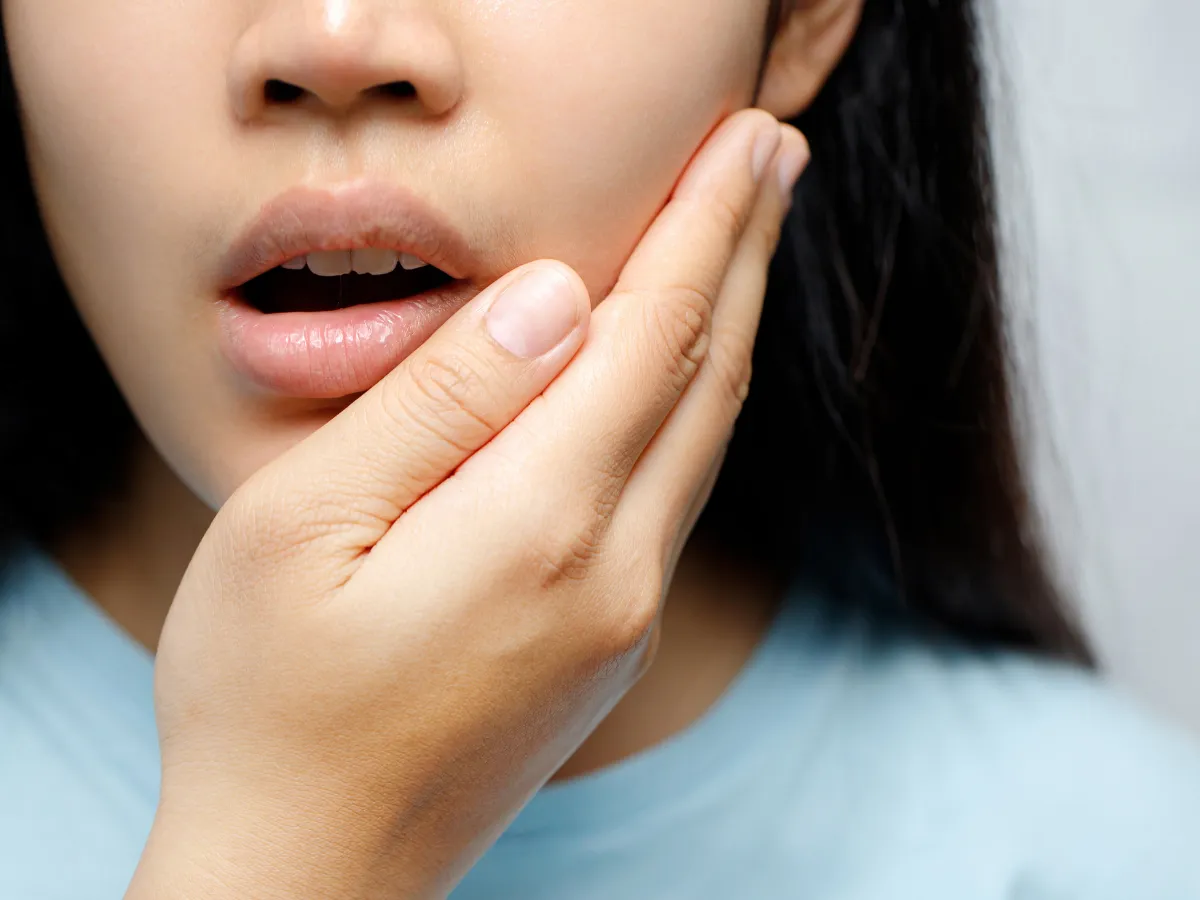
We often delay dental visits during festivals and say, "I'll check after Diwali." But some symptoms shouldn't be ignored. Schedule an appointment if you have:
Tooth sensitivity that doesn't settle
Pain while chewing
Black or brown marks on your teeth
Food constantly stuck between your teeth
Bleeding gums
A persistent toothache
A broken filling or crown
Not every dental problem needs complicated treatment. Early action often stops a problem from getting worse. If you have been feeling pain, it is better to get it checked.
How One Small Habit Change Helped My Patient
When the same patient came back a few days later, I asked how he was doing. He told me he was now eating sweets in small amounts, after a meal rather than all day. He was also rinsing with water and brushing before going to bed.
It was a slight change in routine, but a significant one. Dentists talk all day about treatments, crowns and root canals, yet the most important advice is what prevents the problem in the first place. You don't need expensive dental products or difficult routines. Good dental health comes from a few good habits.
This Diwali, enjoy all your sweet dishes, spend quality time with family and friends and celebrate fully. Just remember to keep smiling.
Final Takeaway: Enjoy Mithai and Keep Your Teeth Healthy
Eating sweets during Diwali isn't the problem. Overindulgence in sugar, neglecting your teeth and poor dental hygiene are what threaten them. You can enjoy your favourite mithai and still have good oral health. Eat sweets once in a while, with meals if possible. Follow with water, brush twice a day, floss, and see your dentist if you have any pain or problems.
A Note From Your Endodontist
As an endodontist, one of my main jobs is to save teeth. But not every dental visit is for a problem. Teaching prevention is just as important. Knowing how your everyday habits affect your teeth can save you from many problems in the future. This festive season, as you celebrate with family and enjoy your favourite mithai, take a moment to care for your dental health.
May you and your loved ones have a happy, healthy and cavity-free Diwali!
Frequently Asked Questions
Can I eat sweets during Diwali if I already have cavities?
Which Diwali sweets are most likely to cause tooth decay?
Is it okay to brush your teeth right after eating sweets?
Does rinsing with water prevent cavities?
Are sugar-free sweets better for teeth?
Why do my teeth hurt when I eat sugar?
How many sweets a day will harm your teeth?
Is brushing twice a day enough to avoid cavities during Diwali?
Can children get cavities from Diwali sweets?
Should I see my dentist before Diwali?
Dr Kanupriya
MDS EndodonticsRCT & Crowns Specialist • Singh Dental Care
This article has been authored and clinically verified by licensed dental professionals at Singh Dental Care to ensure evidence-based, safe, and accurate oral healthcare guidance.