Do Baby Teeth Matter
Think Baby Teeth Don’t Matter? Think Again: Why Milk Teeth Are the Foundation of Your Child’s Smile
Yes, baby teeth matter. Milk teeth guide the number and position of adult teeth, hold space for them, and support chewing, speech, jaw growth, and nutrition. Decay or early loss can cause weak enamel, crowding, and bite problems in permanent teeth.
On a breezy Monday morning, little Gurshaan walked into our clinic with a cavity and a naughty grin. He was advised to get the cavity filled, but his mother whispered, almost guilty, “Doctor… it’s just his milk teeth. I didn’t think they mattered so much.”
As Gurshaan opened his mouth, I could see the story his baby teeth had been trying to tell long before he arrived: teething troubles, silent decay, and how early habits shape a child’s adult teeth for life.
This is Gurshaan’s story. It is also the story of thousands of children whose parents believe baby teeth are temporary and therefore less important. Let’s walk through why those tiny teeth matter more than you think.
Why Do Baby Teeth Matter?
Baby teeth, commonly known as milk teeth, start erupting around 6 months. There are 20 of them, and each has a job.
Parents often don’t realize that milk teeth are like nature’s blueprint. They guide the number and position of a child’s future adult teeth.
In Gurshaan’s case, his upper molar had deep decay that was causing pain. Something else was happening beneath the surface: the infection was inching dangerously close to the developing adult tooth right below it.
That’s when his mother gasped, “Can baby tooth decay really affect the permanent ones?”
Yes. And it happens more often than you’d believe.
Can Baby Tooth Decay Affect Permanent Teeth?
When a baby tooth decays or gets infected, two things can happen.
1. It Can Harm the Adult Tooth Developing Underneath
White spots
Weakened enamel
Malformed adult teeth
Increased cavity risk later
2. It Can Cause Premature Tooth Loss
Imagine removing a brick from the middle of a wall. The whole structure shifts. Similarly, losing baby teeth early makes neighbouring teeth drift, reducing space for adult teeth. This leads to:
Crowding
Misaligned bites
The need for orthodontic treatment later
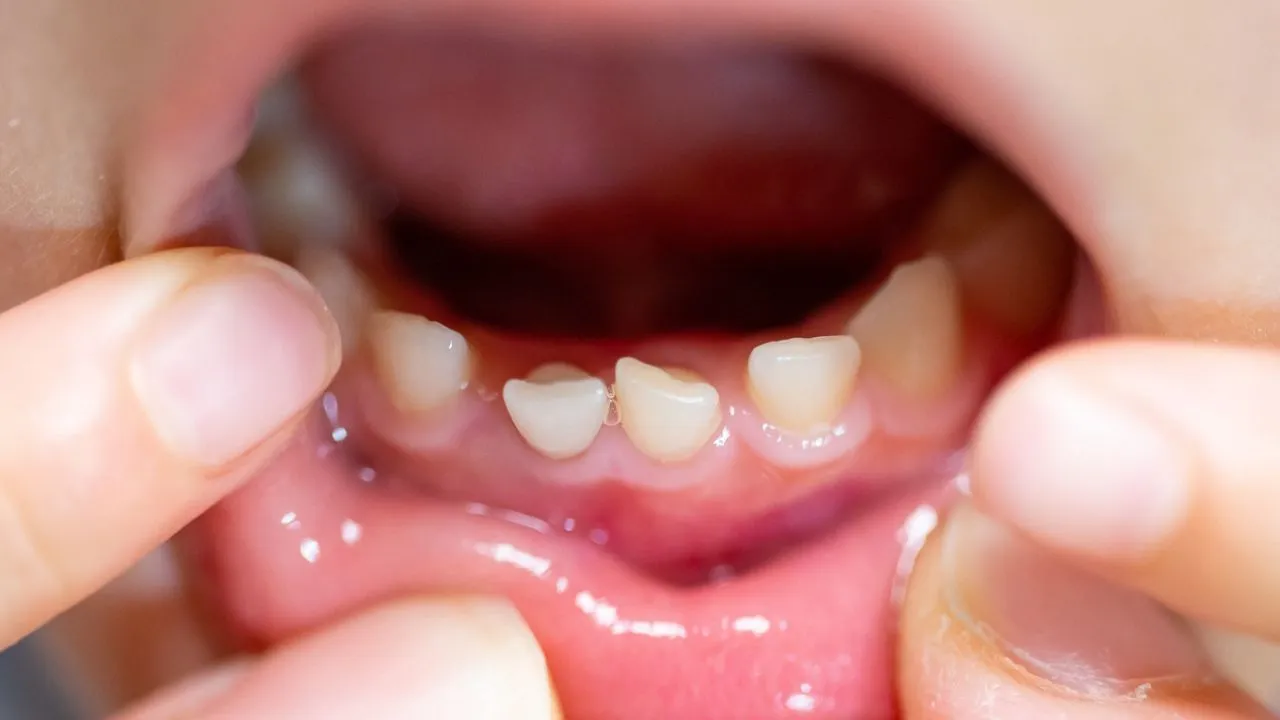
That’s why Gurshaan’s lower incisors were erupting crooked: the milk tooth next to them had been lost too early.
What Causes Tooth Decay in Infants and Toddlers?
As we talked, his mother admitted, “He sleeps with his milk bottle… maybe that’s why?”
Exactly. Milk tooth decay isn’t always about chocolates. It can begin with:
Nighttime feeding (milk, formula, juice)
Constant snacking
Not brushing before bed
Sharing spoons (transferring cavity-causing bacteria)
Sticky foods that cling to baby teeth
Not using fluoride toothpaste
These problems don’t wait until school age. They often begin before the first birthday.
When Should Children Start Brushing?
Gurshaan had just turned four, and he had never brushed independently. The rule of thumb is to start brushing as soon as the first tooth erupts.
Toothpaste Amount by Age

Supervision and Night Brushing
Parents must supervise brushing until at least age 7–8.
Night brushing is non-negotiable, because the mouth does not clean itself while sleeping.
What Happens When Baby Teeth Are Lost Too Early?
Gurshaan had lost one molar at age 4, a tooth that was supposed to stay until age 10–12. That early loss had already:
Disturbed his bite
Reduced arch space
Caused shifting between teeth
Triggered early crowding
Put the eruption of his adult teeth at risk
How We Treated Him
We placed a space maintainer, treated the other decayed molars, and monitored his adult teeth eruption closely.
The Transformation: Why Baby Teeth Have a Permanent Impact
A month later, Gurshaan returned, this time smiling fully. His mother said softly, “I never knew these small teeth mattered so much. I’m glad we came early.”
Baby teeth don’t just help children chew or make their smiles adorable. They shape:
Speech
Confidence
Jaw growth
Nutrition
Future dental health
Alignment of permanent teeth
Lifelong habits
They are temporary, yes, but their impact is permanent.
Final Note from Your Pediatric Dentist
Those tiny teeth tell big stories of habits, growth, development, and the future smile your child will carry into adulthood. So the next time someone says, “They’re just baby teeth…”, tell them, “They’re the foundation of everything that comes next.”
Frequently Asked Questions
Do baby teeth really matter if they’re going to fall out anyway?
How can cavities in baby teeth affect adult teeth later on?
What causes tooth decay in infants and toddlers?
When should children start brushing and using toothpaste?
Can losing baby teeth early affect the alignment of adult teeth?
How much toothpaste should I use for my toddler?
Is it bad for a baby to sleep with a milk bottle?
DR. NAVNEET KAUR
MDS PedodontistChildern Teeth specialist • Singh Dental Care
This article has been authored and clinically verified by licensed dental professionals at Singh Dental Care to ensure evidence-based, safe, and accurate oral healthcare guidance.