Save Tooth or Remove it
Saving a Tooth or Removing It: How We Decide
A damaged tooth can often be saved with a filling, or with a root canal and crown. If the tooth has broken below the gum line, decay has destroyed most of its structure, or gum disease has weakened the supporting bone, removal and replacement may be the better choice.
"Doctor, can this tooth be saved?" I hear this almost every day in the clinic. Most patients want to keep their natural teeth, and I understand why. But a tooth that is badly damaged or infected doesn't always give us that choice.
Can a Damaged Tooth Be Saved?
Often, yes. Not every damaged tooth is headed for extraction.
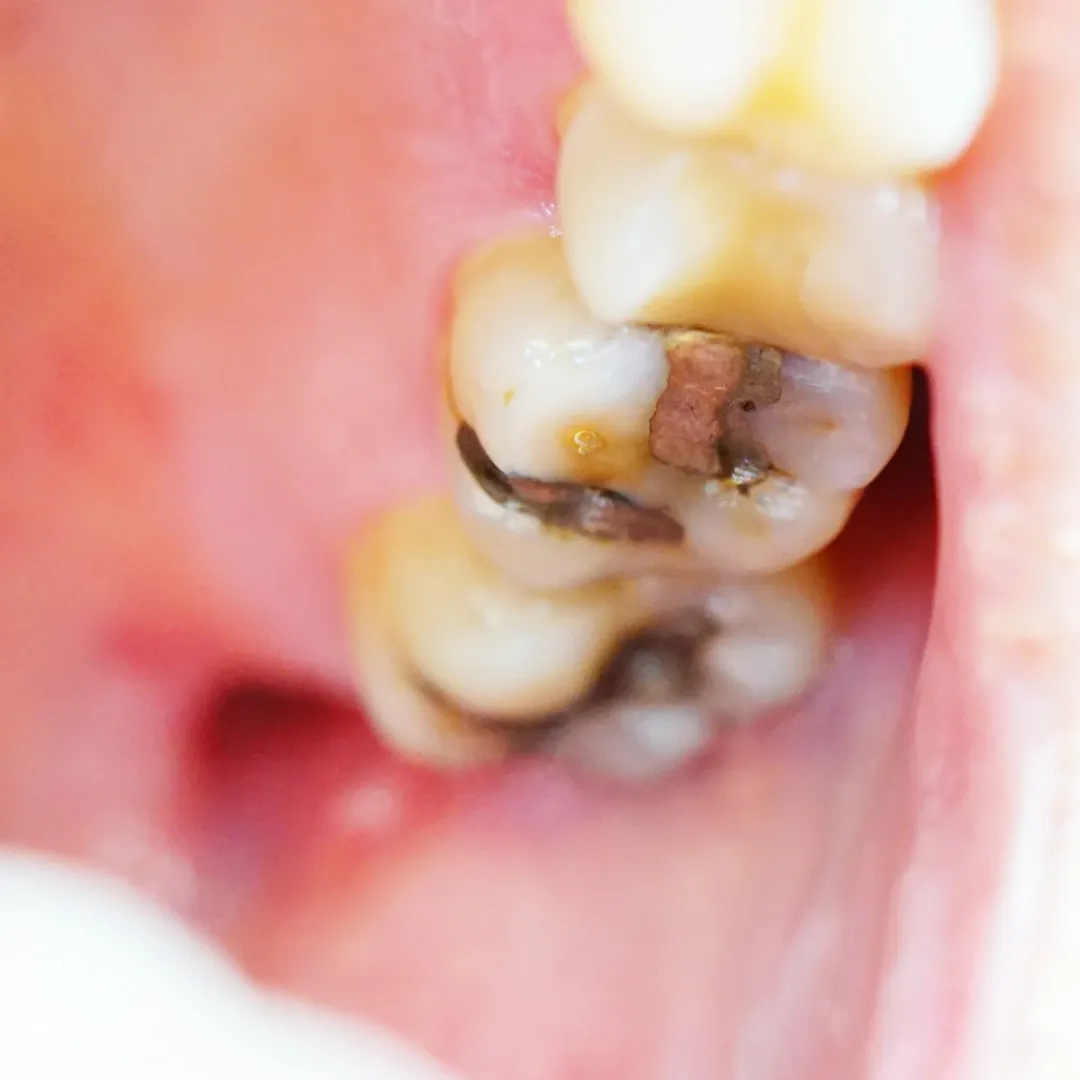
Small cavities: a filling
Small cavities often need nothing more than a filling.
Infection in the pulp: a root canal and crown
If infection has reached the pulp, the soft tissue inside the tooth, a root canal can often rescue it. A crown is usually added afterwards to protect the tooth.
When saving the tooth may only delay the problem
The picture changes in these situations:
The Tooth has broken below the gum line.
Decay has eaten away most of its structure.
Gum disease has weakened the bone holding it in place.
At that point, saving the tooth may only delay the problem.
When Does Tooth Removal Make More Sense?
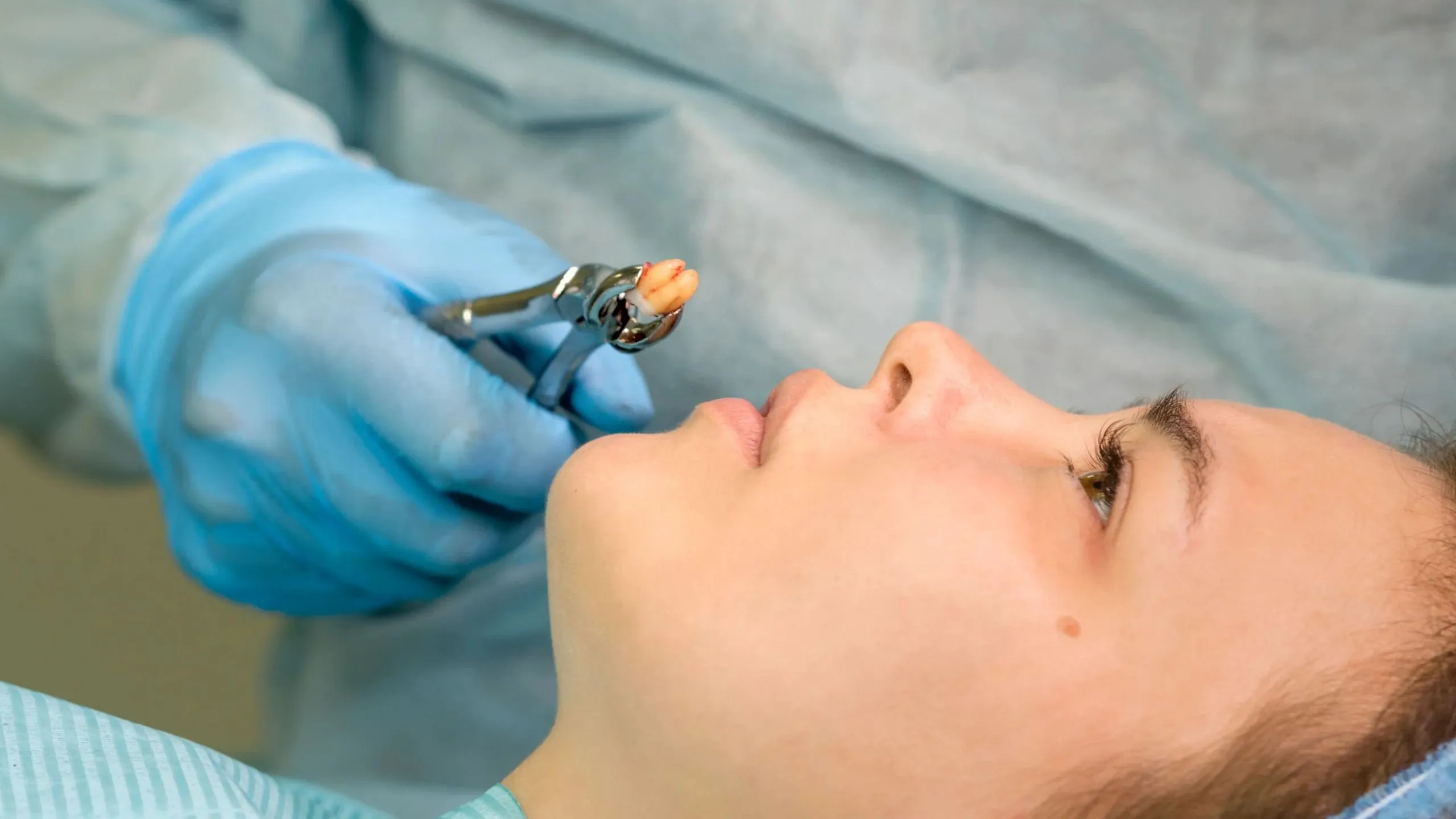
Removal makes sense when the tooth cannot be saved reliably, or when the patient's circumstances don't allow for the treatment.
A real case: infected tooth and limited time
Not long ago, an NRI patient came to me with an infected tooth. He was only in India for a short time. A root canal would have meant several visits, medication placed inside the tooth, time for the infection to settle, and finally a crown. His schedule simply didn't allow for that.
Can an implant be placed on the same day as extraction?
In that case, we discussed removing the tooth and placing an implant. Sometimes this can be done on the same day, though not for everyone. I first have to check three things:
The bone
The extent of the infection
Whether the implant will sit firmly enough
The lesson I take from cases like this is that keeping a natural tooth is usually best, but the right choice is the one that works for that particular patient.
Why You Shouldn't Leave the Gap After Extraction
Taking a tooth out isn't the end of treatment. Left alone, the gap causes three problems:
It affects chewing.
Neighbouring teeth drift into the space.
The bone underneath slowly shrinks.
Your Options for Replacing a Missing Tooth
Dental implant
A titanium post that holds a crown and feels much like a natural tooth.
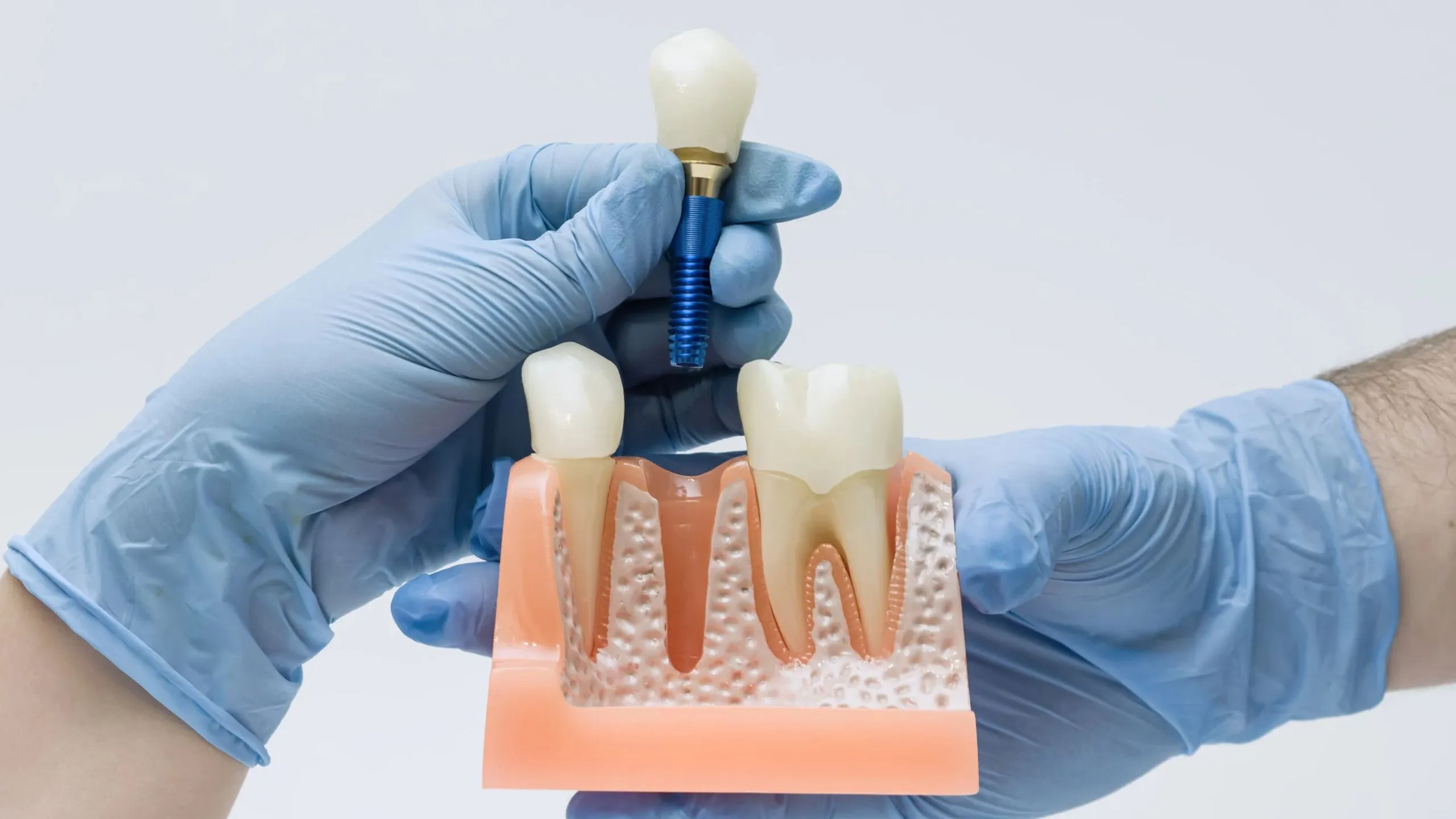
Dental bridge
A replacement tooth supported by the teeth on either side.
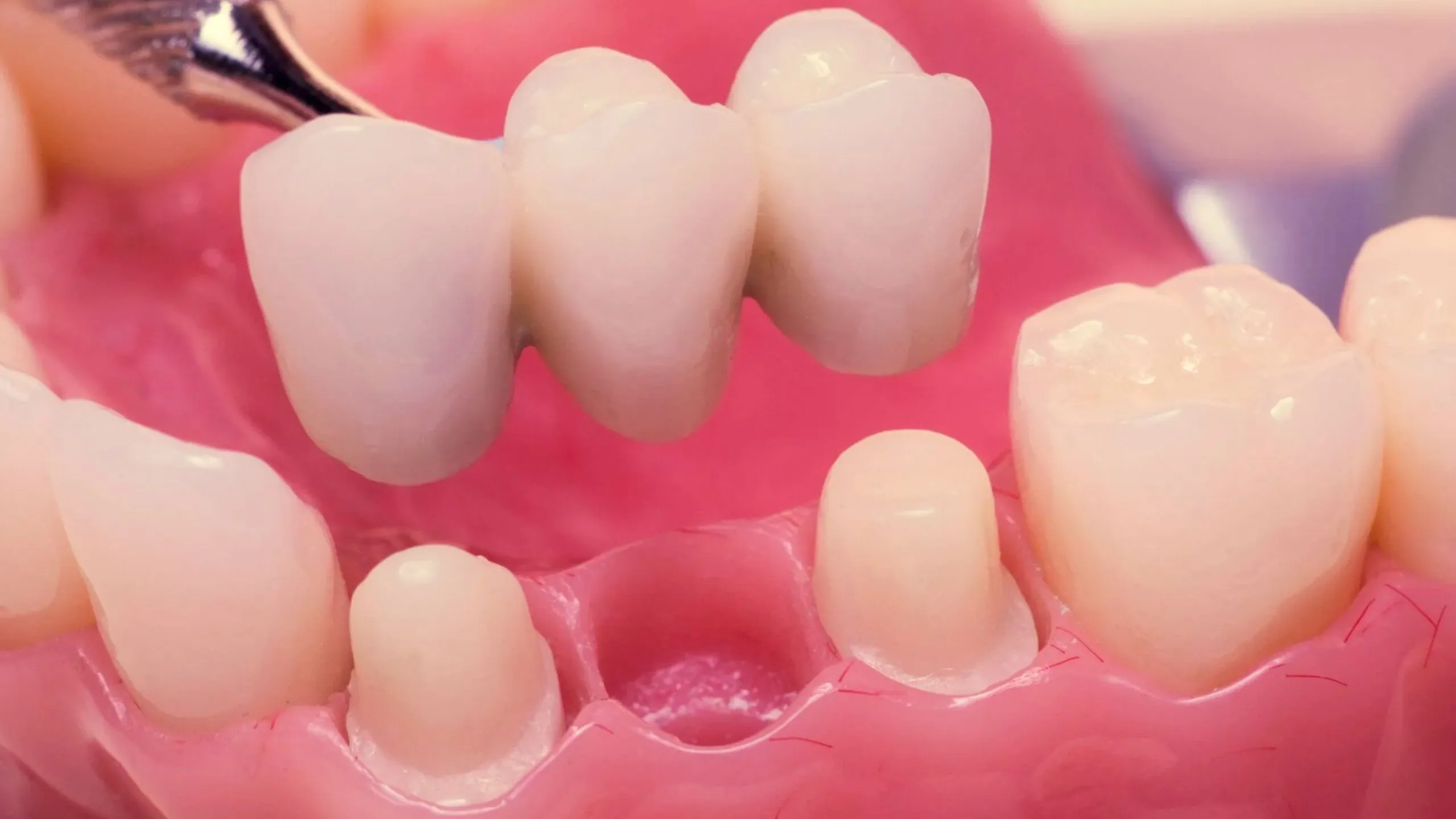
Removable partial denture
A more economical option that can be taken out for cleaning.
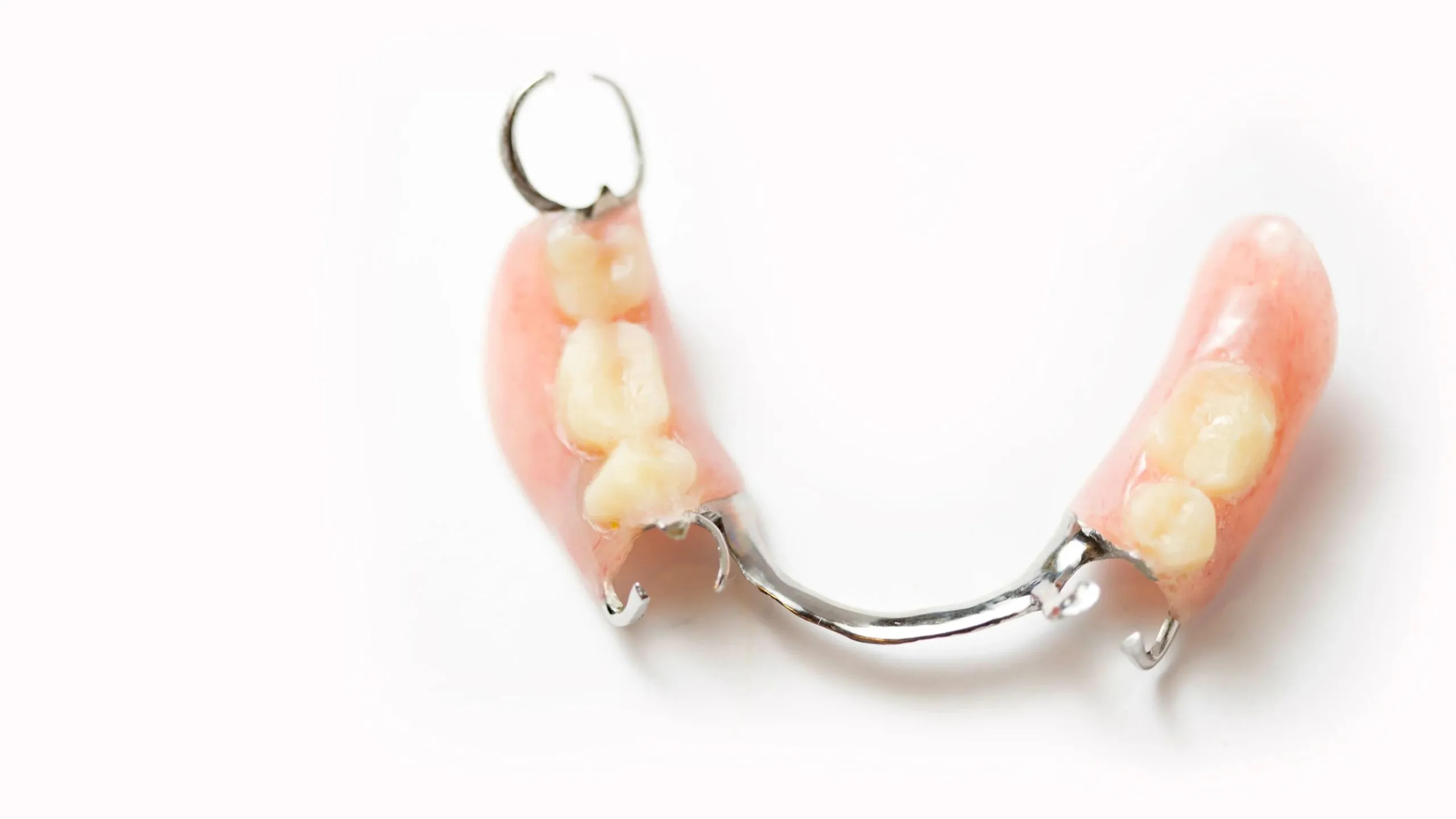
Which one suits you depends on your bone, your oral health, and your budget.
The Bottom Line
Every tooth tells a different story. If it can be saved reliably, save it. If it can't, removing it and replacing it properly is often the better path. Either way, the goal is a healthy, comfortable smile that lasts.
If you have tooth pain, swelling, or a broken tooth, please see your dentist sooner rather than later.
Frequently Asked Questions
Can a badly damaged tooth always be saved?
Can an implant be placed on the same day as an extraction?
[H3] What happens if I leave the gap after a tooth is removed?
What are the options to replace a missing tooth?
When should I see a dentist?
Dr. Priyanka Bains
BDS-General dentistGeneral dentist • Singh Dental Care
This article has been authored and clinically verified by licensed dental professionals at Singh Dental Care to ensure evidence-based, safe, and accurate oral healthcare guidance.