Tooth Pain After RCT
Why Does My Tooth Still Hurt After a Root Canal?
Mild soreness after a root canal is usually normal and settles gradually as the tissues around the tooth heal. Pain that is worsening, persistent, or comes with swelling or fever is not normal and should be evaluated by your dentist or endodontist.
It was a quiet afternoon at the clinic when Rohan walked in, looking frustrated.
"Doctor, I don't understand. I got my root canal done because the tooth was hurting. The treatment is over… so why does it still hurt?"
It's a question I hear surprisingly often. And honestly, I understand why patients feel confused. We are taught to think of a root canal as the treatment that removes the pain. So when discomfort continues afterward, the first thought is usually: "Something must have gone wrong." But that isn't always the case. Sometimes the tooth is simply healing. Sometimes there's another reason behind the pain. And sometimes the tooth needs to be evaluated again.
Let's understand what your tooth may be trying to tell you.
Is Pain After a Root Canal Normal?
Yes, some discomfort after root canal treatment can be completely normal.
Think of it this way. The infection inside the tooth may have been removed, but the tissues surrounding the root can still be irritated.
During treatment, the tooth is cleaned, shaped and disinfected. The tissues around the root may temporarily become inflamed as part of the healing process.
You may notice:
Mild soreness
Tenderness while biting
A feeling that the tooth is "different"
Mild discomfort for a few days
This usually settles gradually. Pain that is slowly improving is very different from pain that is getting worse.
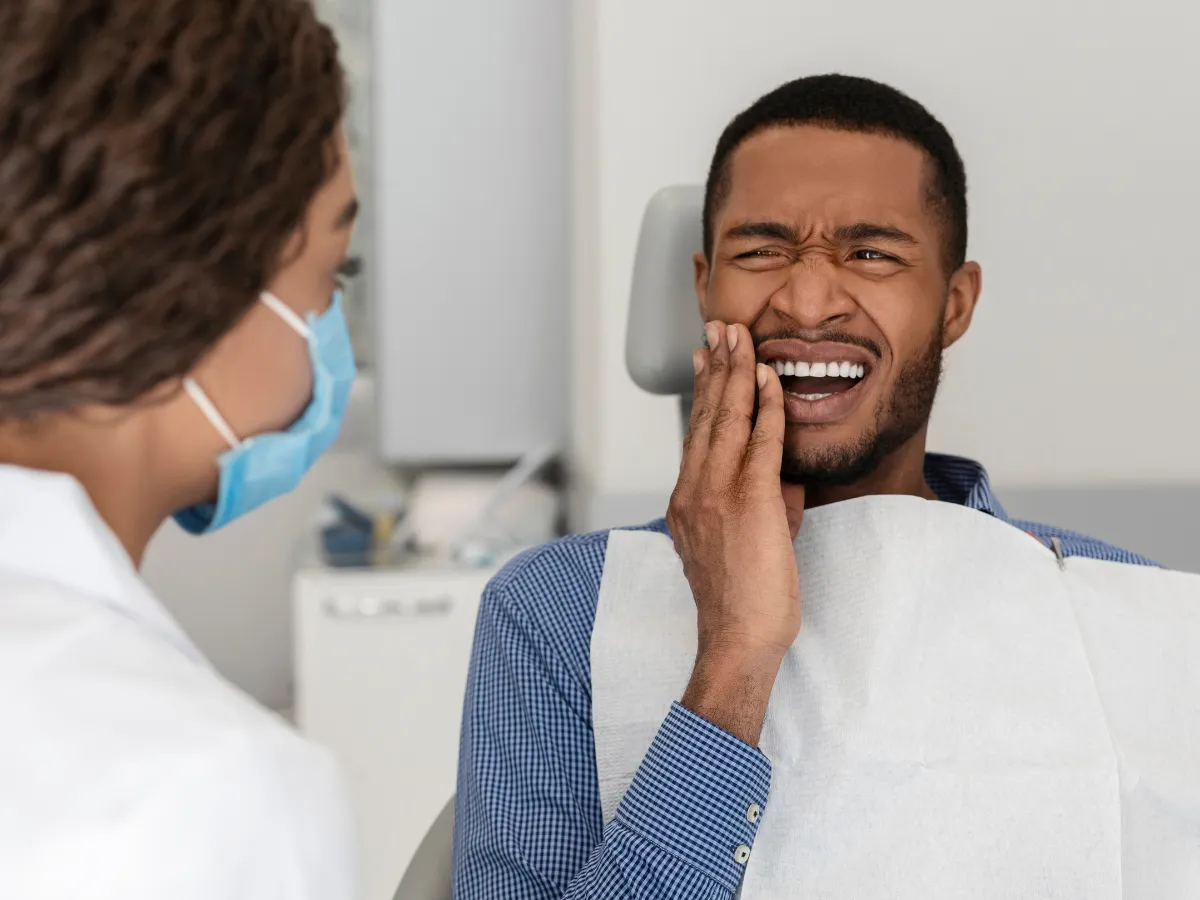
But Doctor, My Tooth Hurts Only When I Bite
This is another very common complaint.
One possible reason? Your filling or temporary crown may be slightly high.
Even a small difference in the bite can put extra pressure on the treated tooth every time you chew. Imagine repeatedly pressing on a bruised area — it keeps getting irritated. Similarly, excessive biting pressure can make the tissues around the root remain sore.
The good news? A simple bite adjustment may be all that is needed.
The Infection May Have Been Bigger Than the Tooth
Rohan had come with a large infection around the root of his tooth.
His question was simple: "If the infection inside the tooth is gone, why does the area around it still hurt?"
Because the infection may have affected the tissues surrounding the root before the root canal was performed.
Removing the source of infection is the first step. Healing is the next.
In teeth with large infections, the bone and surrounding tissues can take considerably longer to heal.
So, sometimes, patience is part of the treatment.
When Pain Is Not Just Healing
But persistent pain should never simply be dismissed as "normal." Sometimes, the tooth needs further evaluation.
Possible reasons include:
1. A Missed Cana
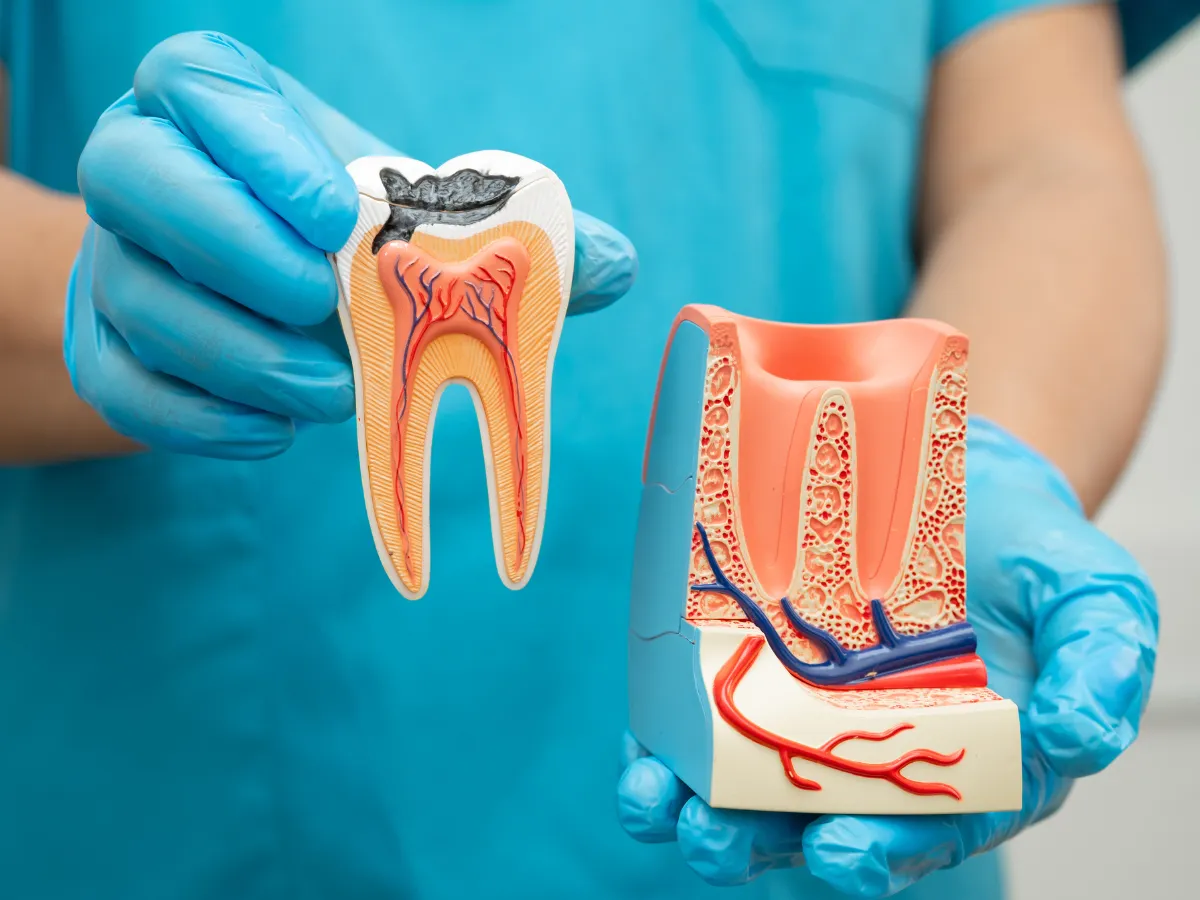
Some teeth have complex internal anatomy. A tooth that appears to have three canals may occasionally have an additional canal that is difficult to locate. If an infected canal remains untreated, symptoms can persist.
2. Persistent or Recurrent Infection
Bacteria may remain in areas that are difficult to clean, or the tooth may become reinfected if the seal is compromised.
3. Complex Root Canal Anatomy
Curved, narrow or calcified canals can make complete cleaning and disinfection more challenging.
4. Leakage or a Defective Restoration
A damaged, loose or leaking filling or crown can allow bacteria to enter the treated tooth again.
5. A Crack or Fracture
Sometimes the tooth itself may have a crack that existed before the root canal. A cracked tooth can continue to cause pain, especially while chewing. And unfortunately, a root canal cannot repair a deep structural crack.
Could It Be Another Tooth?
Absolutely. This is something patients often don't realize. Pain does not always come from the tooth you think is responsible.
A neighbouring tooth may have:
Decay
Pulp inflammation
A crack
An infection
Gum-related problems
Because dental pain can sometimes be difficult to localize, your dentist or endodontist may need to examine several teeth before identifying the actual source.
That is why diagnosis is just as important as treatment.
Does Pain Mean Your Root Canal Has Failed?
Not necessarily. This is probably the biggest misconception about post-root-canal pain.
A tooth can be successfully treated and still remain tender temporarily. On the other hand, persistent or worsening symptoms may indicate that something needs attention.
Your dentist may evaluate:
The tooth and surrounding tissues
Your bite
The quality of the restoration
Clinical signs and symptoms
X-rays
And, when indicated, a CBCT scan for a more detailed assessment
The goal is not simply to ask: "Does it hurt?"
The real question is: "Why does it hurt?"
When Should You Stop Waiting and See Your Dentist?
Don't ignore your symptoms if:
Pain is becoming worse rather than better
You develop swelling
You notice pus or a bad taste
The tooth becomes increasingly painful while biting
You develop fever
You have facial swelling
Pain continues for a prolonged period without improvement
A tooth that has already received root canal treatment and suddenly becomes painful again should also be evaluated — especially if it was comfortable for a long time before the pain returned.
The Follow-Up That Made Rohan Feel Better
When Rohan returned for his follow-up, we examined his tooth carefully. His root canal itself was not the problem. His bite was slightly high. After a simple adjustment, the excessive pressure on the tooth was relieved.
Over the following days, his discomfort gradually settled.
His reaction? "So the root canal wasn't failing?" Not necessarily.
And that is exactly why every painful tooth needs a diagnosis — not an assumption.
The Most Important Thing to Remember
A root canal removes the infected or inflamed pulp from inside the tooth. But the tissues around the tooth are still living. They need time to recover.
So don't panic if you experience some mild soreness after treatment. But don't ignore persistent or worsening pain either.
Your tooth is giving you information. The job of an endodontist is to understand what that information means.
Final Note from Your Endodontist
A root canal is not simply about "removing the nerve." It is about removing infection, disinfecting the root canal system, sealing the tooth properly, restoring its function — and allowing the surrounding tissues to heal.
So if your tooth hurts after a root canal, don't immediately assume something has gone wrong. And don't simply keep waiting if the pain is persistent or getting worse.
Listen to your tooth.
Because sometimes it is saying, "I'm still healing."
And sometimes it is saying, "I need you to take another look."
Frequently Asked Questions
How long can a tooth hurt after a root canal?
Is pain while biting after a root canal normal?
Does pain after a root canal mean the treatment failed?
Can a root canal tooth get infected again?
What if my tooth hurts months after a root canal?
Can a cracked tooth still hurt after a root canal?
Should I get my root canal redone if it hurts?
Dr Kanupriya
MDS EndodonticsRCT & Crowns Specialist • Singh Dental Care
This article has been authored and clinically verified by licensed dental professionals at Singh Dental Care to ensure evidence-based, safe, and accurate oral healthcare guidance.