Disease & Condition Directory
Attrition of tooth
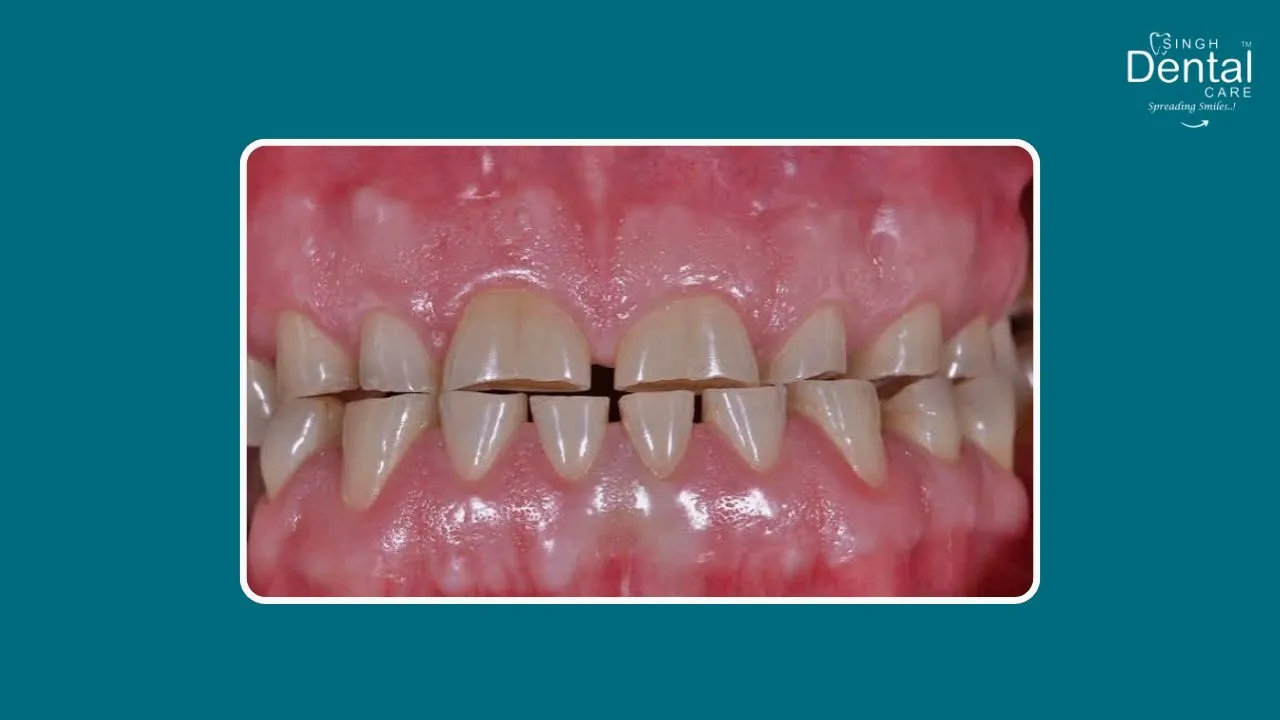
Attrition of tooth
Understanding Attrition of tooth
What Is Attrition of tooth?
Tooth attrition is the gradual loss of tooth structure caused by tooth-to-tooth contact during normal chewing or excessive grinding and clenching (bruxism). Unlike tooth decay, attrition is a form of natural or excessive wear that does not involve bacteria.
While mild attrition is a normal part of aging, excessive attrition can damage the teeth, affect the bite and lead to pain, sensitivity and cosmetic concerns.
At Singh Dental Care, we diagnose the cause of tooth wear and provide personalized treatment to preserve your natural teeth and restore their strength and appearance.
Signs and Symptoms
Flattened or shortened teeth
Worn chewing surfaces
Tooth sensitivity to hot, cold or sweet foods
Chipped or cracked teeth
Sharp or rough tooth edges
Yellowing of teeth due to exposed dentin
Jaw pain or muscle fatigue
Frequent headaches associated with teeth grinding
Difficulty chewing in severe cases
Changes in your bite or facial appearance
Causes of Tooth Attrition
Teeth Grinding (Bruxism) :- Grinding or clenching the teeth, especially during sleep, is the most common cause of severe attrition.
Normal Aging :- Some degree of tooth wear naturally occurs over time.
Bite Problems (Malocclusion) :- Improper alignment of the teeth can cause excessive wear on certain teeth.
Missing Teeth :- Loss of one or more teeth can alter bite forces and increase wear on the remaining teeth.
Habitual Clenching :- Continuous jaw clenching during stress or concentration increases tooth wear.
Risk Factors
Grind or clench your teeth
Have an uneven bite
Experience chronic stress or anxiety
Have missing teeth
Have untreated bite abnormalities
Have a history of TMJ disorders
Consume a diet that requires excessive chewing
Do not wear a night guard despite diagnosed bruxism
Stages of Tooth Attrition
Stage 1: Mild Attrition :- Slight wear of enamel
Minimal symptoms
No significant loss of tooth function
Stage 2: Moderate Attrition :- Noticeable flattening of teeth
Increased tooth sensitivity
Exposure of underlying dentin
Stage 3: Severe Attrition :- Significant loss of tooth structure
Shortened teeth
Bite changes
Stage 4: Advanced Attrition :- Extensive destruction of tooth structure
Severe sensitivity or pain
Difficulty chewing
Possible nerve exposure requiring complex treatment
What Happens If Tooth Attrition Is Left Untreated?
Progressive tooth wear
Increased tooth sensitivity
Cracked or fractured teeth
Damage to dental restorations
Bite collapse
Jaw joint (TMJ) problems
Difficulty chewing
Need for extensive restorative treatment
Tooth loss in advanced cases
Diagnosis at Singh Dental Care :- Our dental team evaluates tooth attrition through:-
Clinical Examination :- Assessment of tooth wear patterns, bite, and jaw function.
Medical and Dental History :- Evaluation of grinding habits, stress, and previous dental treatments.
Bite Analysis :- Checking for uneven bite forces and tooth contacts.
Digital X-Rays :- Used when necessary to evaluate tooth structure and supporting bone
Photographic Documentation :- Clinical photographs may be taken to monitor the progression of tooth wear over time.
Treatment Options
Custom Night Guard :- Protects teeth from further grinding during sleep.
Dental Bonding :- Composite resin is used to restore minor areas of tooth wear.
Dental Crowns :- Recommended for severely worn or weakened teeth requiring full protection.
Veneers :- Suitable for selected front teeth affected by mild to moderate wear.
Bite Adjustment :- Minor correction of uneven bite contacts to reduce excessive forces.
Orthodontic Treatment :- Braces or clear aligners may be recommended when bite misalignment contributes to tooth wear.
Full Mouth Rehabilitation :- For severe cases involving multiple worn teeth, comprehensive restorative treatment may be necessary.
Prevention Tips
Wear a custom night guard if you grind your teeth
Manage stress effectively
Avoid clenching your teeth during the day
Replace missing teeth promptly
Attend regular dental checkups
Seek early treatment for bite problems
Avoid using your teeth to open packages or bite hard objects.
FAQ
Q)Is tooth attrition the same as tooth decay?
A)No. Attrition is mechanical wear caused by tooth-to-tooth contact, while tooth decay is caused by bacteria and acids.
Q)Can tooth attrition be reversed?
A)Lost tooth structure cannot regenerate naturally. However, restorative dental treatments can rebuild and protect worn teeth.
Q)Is tooth grinding the main cause of attrition?
A)Yes. Bruxism is one of the most common causes of excessive tooth attrition.
Q)Can children develop tooth attrition?
A)Yes. Children who grind their teeth may also develop tooth wear, although mild wear is often part of normal development.
Q)Does tooth attrition always cause pain?
A)No. Many patients experience significant tooth wear without pain until the dentin or pulp becomes affected.
Q)Can a night guard stop attrition?
A)A custom night guard helps protect teeth from further wear caused by grinding but does not eliminate the grinding habit itself.
Dr. Bikramjeet Singh
BDS & Fellowship in ImplantologyChief Dental Surgeon & Implantologist • Singh Dental Care
This clinical condition overview has been authored and verified by dental specialists at Singh Dental Care to ensure evidence-based, safe, and accurate oral healthcare guidance.
Seek Professional Advice
Our specialists at Singh Dental Care are equipped with advanced technology to diagnose and treat attrition of tooth with precision.
Disclaimer: The information provided above is for educational purposes only and should not be considered as medical advice. Please consult with a qualified dental professional for diagnosis and treatment options.