Disease & Condition Directory
Dentures
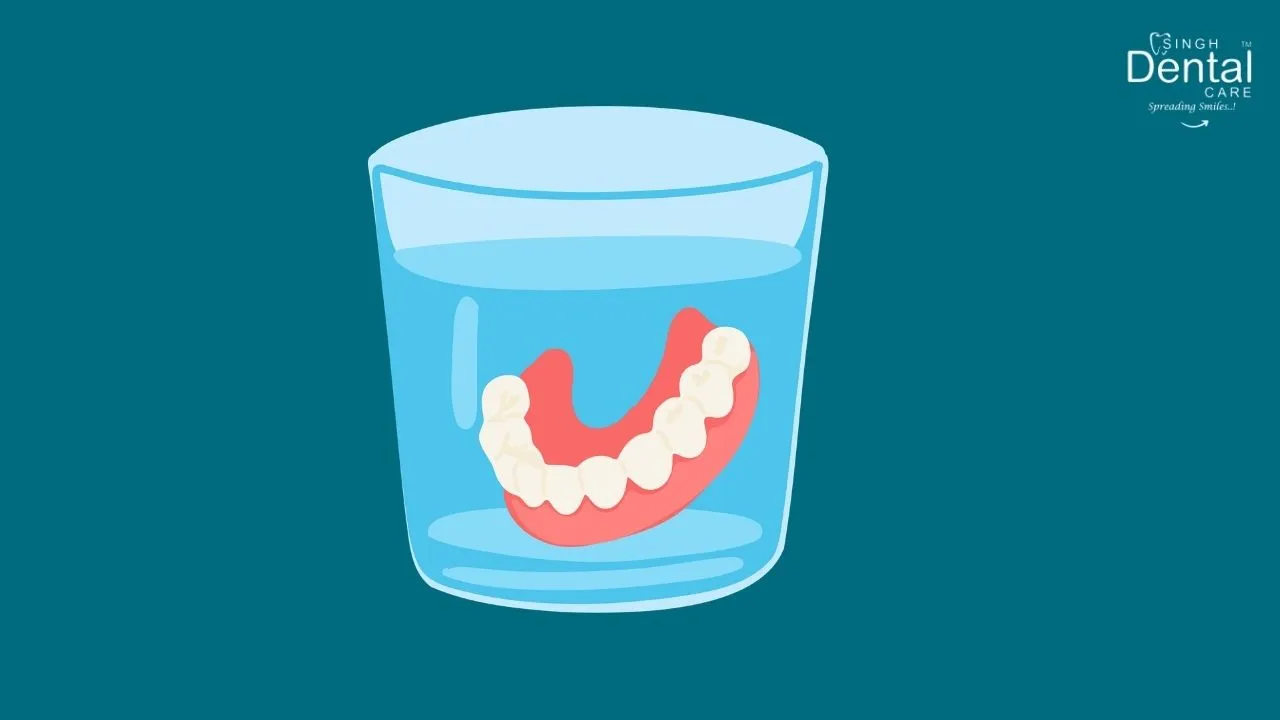
Denture
Understanding Dentures
What Are Dentures?
Dentures are custom-made removable dental prostheses designed to replace missing teeth and surrounding tissues. They restore your ability to chew, speak and smile confidently while improving facial appearance and overall quality of life.
Dentures are made from durable, natural-looking materials that closely resemble real teeth and gums, providing both comfort and aesthetics.
At Singh Dental Care, we offer customized denture solutions designed to fit comfortably, function effectively and enhance your smile.
Why Might You Need Dentures?
Complete loss of teeth in the upper or lower jaw or both jaws
Difficulty chewing due to missing teeth
Difficulty speaking clearly
Facial changes caused by tooth loss
A desire to restore your smile, function and confidence
Dentures help restore oral function while supporting facial muscles and improving appearance.
Signs That You May Need Dentures
Missing teeth
Difficulty eating or chewing
Slurred or unclear speech due to missing teeth
Sunken facial appearance
A comprehensive dental examination will help determine the most suitable tooth replacement option.
Types of Dentures
Complete Dentures :- Replace all teeth in the upper jaw, lower jaw or both. They rest directly on the gums after all remaining teeth have been removed.
Partial Dentures :- Replace one or several missing teeth while using the remaining natural teeth for support.
Immediate Dentures :- Placed immediately after tooth extraction, allowing patients to have teeth during the healing period.
Implant-Supported Dentures :- Attached securely to dental implants for improved stability, comfort and chewing efficiency.
Flexible Dentures :- Made from flexible materials that offer improved comfort and aesthetics for selected patients.
How Are Dentures Made?
Step 1:- Consultation and Examination :- The dentist examines your oral health, remaining teeth, gums and jawbone to determine the most appropriate denture option.
Step 2:- Impressions :- Accurate impressions of your mouth are taken to fabricate custom dentures.
Step 3:- Bite Registration :- Measurements are taken to ensure proper jaw alignment and bite.
Step 4:- Trial Denture :- A trial denture may be used to evaluate appearance, speech, comfort and bite before the final denture is completed.
Step 5:- Final Denture Delivery :- The completed dentures are fitted, adjusted and instructions are provided for proper use and care.
Step 6:- Follow-Up Adjustments :- Minor adjustments may be required in subsequent visits as your mouth adapts to the new dentures.
Is Getting Dentures Painful?
The denture fabrication process itself is generally painless. If extractions are required before denture placement, mild discomfort may occur during healing. As you begin wearing your dentures, slight soreness or pressure may be experienced temporarily while your mouth adjusts.
Most patients adapt within a few weeks.
Benefits of Dentures
Restores Your Smile :- Improves facial appearance and confidence.
Improves Chewing Ability :- Allows better chewing compared to having missing teeth.
Enhances Speech :- Helps improve pronunciation affected by tooth loss.
Supports Facial Muscles :- Prevents the sunken appearance that often develops after tooth loss.
Affordable Tooth Replacement :- Provides a cost-effective solution for replacing multiple missing teeth.
Custom-Made for Comfort :- Designed to fit your mouth and restore natural appearance.
Recovery and Aftercare
Wear dentures as instructed by your dentist
Remove dentures at night unless otherwise advised
Clean dentures daily using a denture brush and cleanser
Rinse your mouth after meals
Maintain good oral hygiene for your gums and remaining teeth if any
Store dentures in water or denture solution when not in use
Attend regular dental checkups for adjustments
It is normal to experience increased saliva, mild soreness or minor speech changes during the adjustment period.
Possible Challenges
Mild gum soreness
Increased saliva production
Difficulty chewing certain foods
Minor speech changes
Looseness until muscles adapt
These issues usually improve as your mouth becomes accustomed to the dentures.
How Long Do Dentures Last?
Dentures typically last several years but may require adjustments or replacement over time due to natural changes in the gums and jawbone.
Their lifespan depends on:
Daily care and cleaning
Oral hygiene
Changes in jawbone shape
Normal wear and tear
Regular dental maintenance
FAQ
Q)How long does it take to get used to dentures?
A)Most patients adapt within a few weeks, although complete adjustment may take longer for some individuals.
Q)Can I eat normally with dentures?
A)Yes. Initially, soft foods are recommended and chewing ability improves with practice.
Q)Should dentures be worn while sleeping?
A)In most cases, dentures should be removed at night to allow the gums to rest and to reduce the risk of infections.
Q)How do I clean my dentures?
A)Brush them daily using a denture brush and a non-abrasive denture cleanser. Avoid using regular toothpaste, as it may scratch the denture surface.
Q)Will dentures affect my speech?
A)Some temporary speech changes are normal during the adjustment period. Most patients regain normal speech with practice.
Q)Are implant-supported dentures better than conventional dentures?
A)Implant-supported dentures generally provide greater stability, comfort and chewing efficiency, but suitability depends on your oral health and treatment goals.
Dr. Bikramjeet Singh
BDS & Fellowship in ImplantologyChief Dental Surgeon & Implantologist • Singh Dental Care
This clinical condition overview has been authored and verified by dental specialists at Singh Dental Care to ensure evidence-based, safe, and accurate oral healthcare guidance.
Seek Professional Advice
Our specialists at Singh Dental Care are equipped with advanced technology to diagnose and treat dentures with precision.
Disclaimer: The information provided above is for educational purposes only and should not be considered as medical advice. Please consult with a qualified dental professional for diagnosis and treatment options.