Disease & Condition Directory
Disimpaction (Wisdom Tooth Removal)
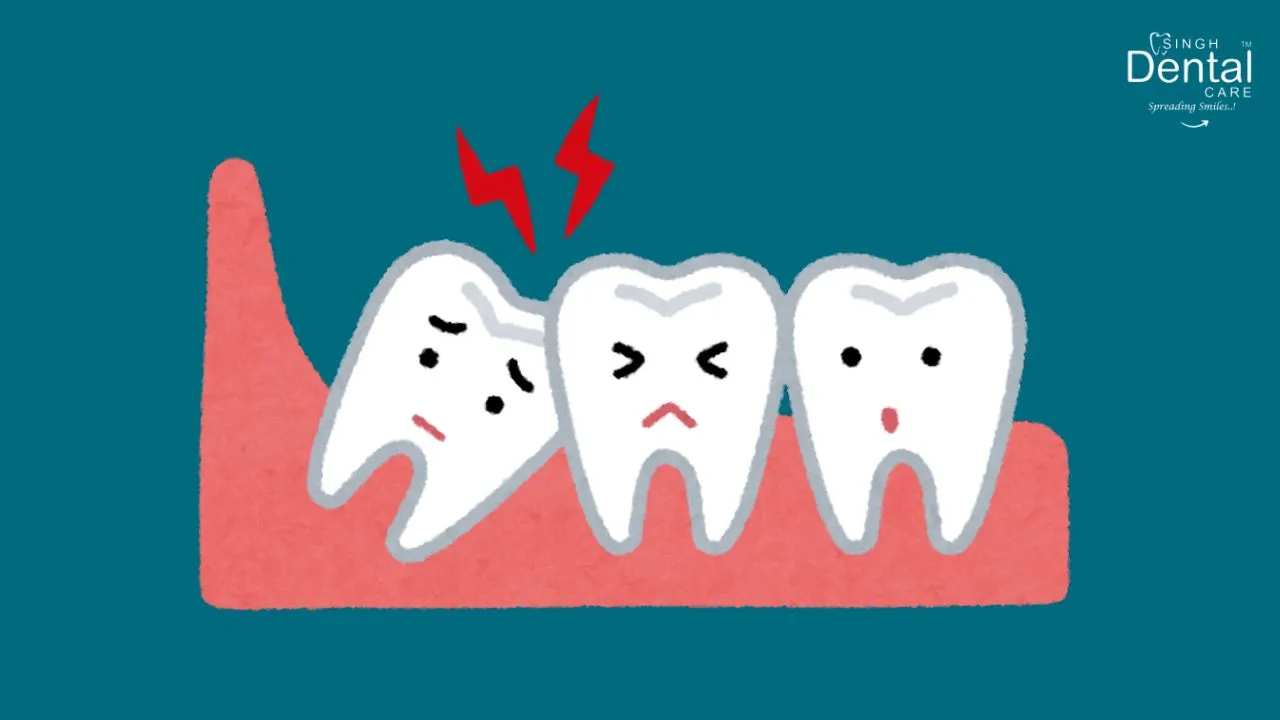
Disimpaction
Understanding Disimpaction (Wisdom Tooth Removal)
What Is Disimpaction?
Disimpaction is a minor oral surgical procedure performed to remove a wisdom tooth (third molar) that is partially or completely trapped beneath the gums or jawbone. These teeth are known as impacted wisdom teeth because they do not have enough space to erupt normally.
Impacted wisdom teeth can cause pain, swelling, infection, damage to neighboring teeth and other oral health problems. Removing them at the appropriate time helps prevent future complications.
At Singh Dental Care, our experienced dentists and oral surgeons perform safe and comfortable wisdom tooth disimpaction using modern surgical techniques and advanced diagnostic imaging.
Why Might You Need Wisdom Tooth Disimpaction?
Pain at the back of your mouth
An impacted wisdom tooth
Recurrent infection around a partially erupted wisdom tooth (Pericoronitis)
Swelling of the gums or face
Damage to the adjacent tooth
Tooth decay affecting the wisdom tooth
Cyst formation around the impacted tooth
Removing an impacted wisdom tooth can prevent future dental complications and improve overall oral health.
Signs That You May Need Wisdom Tooth Removal
Pain behind the last molar
Swollen or bleeding gums around the wisdom tooth
Difficulty opening your mouth (Trismus)
Recurrent gum infections
Food getting trapped around the wisdom tooth
Swelling of the face or jaw
Difficulty chewing on the affected side
Sometimes, impacted wisdom teeth produce no symptoms and are detected during routine dental X-rays.
Types of Impacted Wisdom Teeth
Soft Tissue Impaction :- The tooth has partially erupted but remains covered by gum tissue.
Partial Bony Impaction :- Part of the tooth is trapped within the jawbone while the remaining portion has erupted.
Complete Bony Impaction :- The tooth remains completely enclosed within the jawbone.
Based on Tooth Position
Mesioangular Impaction – Tooth tilts forward toward the neighboring tooth.
Vertical Impaction – Tooth is upright but unable to erupt.
Horizontal Impaction – Tooth lies sideways within the bone.
Distoangular Impaction – Tooth tilts backward away from the neighboring tooth.
How Is Wisdom Tooth Disimpaction Performed?
Step 1: Consultation and Examination :- The dentist performs a clinical examination and reviews your symptoms.
Step 2: Digital X-Rays or CBCT Scan :- Imaging helps evaluate the position of the wisdom tooth, surrounding bone, adjacent teeth and nearby nerves.
Step 3: Local Anesthesia :- The surgical area is numbed using local anesthesia to ensure a comfortable procedure. Sedation options may be available for selected patients.
Step 4: Surgical Removal :- A small incision is made in the gum if necessary. In some cases, a small amount of bone is removed and the tooth may be divided into smaller sections for easier removal.
Step 5: Cleaning the Surgical Site :- The socket is cleaned thoroughly to remove debris and reduce the risk of infection.
Step 6: Suturing :- The gum may be closed with dissolvable or removable stitches to promote healing.
Is Wisdom Tooth Disimpaction Painful?
No. The procedure is performed under local anesthesia, so you should not feel pain during the surgery. After the anesthesia wears off, mild to moderate discomfort, swelling and limited mouth opening are common for a few days and can usually be managed with prescribed medications.
Benefits of Wisdom Tooth Disimpaction
Relieves Pain :- Eliminates discomfort caused by impacted or infected wisdom teeth.
Prevents Recurrent Infections :- Reduces the risk of repeated gum infections (Pericoronitis).
Protects Adjacent Teeth :- Prevents damage, decay and gum problems affecting neighboring teeth.
Prevents Cysts and Other Complications :- Reduces the likelihood of cyst formation and other pathology associated with impacted teeth.
Improves Oral Hygiene :- Makes it easier to clean the back of the mouth.
Supports Long-Term Oral Health :- Helps prevent future dental and jaw-related complications.
Recovery and Aftercare Following wisdom tooth removal :-
Bite gently on the gauze as instructed to control bleeding
Apply an ice pack to reduce swelling during the first 24 hours
Take prescribed medications as directed
Eat soft and cool foods for the first 24 hours
Avoid smoking, alcohol and using straws during the healing period
Do not rinse vigorously for the first 24 hours
Maintain gentle oral hygiene around the surgical area
Attend follow-up appointments if advised
Most patients recover within 7–10 days, although complete healing of the bone may take several weeks.
Possible Risks and Complications
Swelling and bruising
Temporary jaw stiffness (Trismus)
Bleeding
Dry socket (loss of the blood clot)
Infection
Temporary numbness of the lip, chin, or tongue (rare)
Delayed healing
How Long Does Recovery Take?
Recovery depends on the complexity of the extraction.
Most patients:
Resume normal daily activities within 1–3 days
Experience significant improvement within 7–10 days
Achieve complete healing of the gum within a few weeks
Bone healing continues over several months.
FAQ
Q)Is it necessary to remove all wisdom teeth?
A)Not always. Wisdom teeth are removed only when they cause problems or are likely to create future complications.
Q)Can an impacted wisdom tooth damage nearby teeth?
A)Yes. Impacted wisdom teeth may cause decay, gum disease, or damage to adjacent teeth if left untreated.
Q)What is a dry socket?
A)A dry socket occurs when the protective blood clot at the extraction site is lost too early, exposing the underlying bone. It can cause significant pain and requires prompt dental care.
Q)Will I be able to eat after surgery?
A)Yes. Soft foods such as yogurt, soup, mashed potatoes, smoothies (without a straw), and rice are recommended during the initial healing period.
Q)How long will swelling last?
A)Swelling typically peaks within 48–72 hours after surgery and gradually subsides over the following few days.
Q)Can I return to work the next day?
A)Many patients can return to work or school within 1–2 days, depending on the complexity of the procedure and their recovery.
Dr. Bikramjeet Singh
BDS & Fellowship in ImplantologyChief Dental Surgeon & Implantologist • Singh Dental Care
This clinical condition overview has been authored and verified by dental specialists at Singh Dental Care to ensure evidence-based, safe, and accurate oral healthcare guidance.
Seek Professional Advice
Our specialists at Singh Dental Care are equipped with advanced technology to diagnose and treat disimpaction (wisdom tooth removal) with precision.
Disclaimer: The information provided above is for educational purposes only and should not be considered as medical advice. Please consult with a qualified dental professional for diagnosis and treatment options.