Disease & Condition Directory
Fluorosis
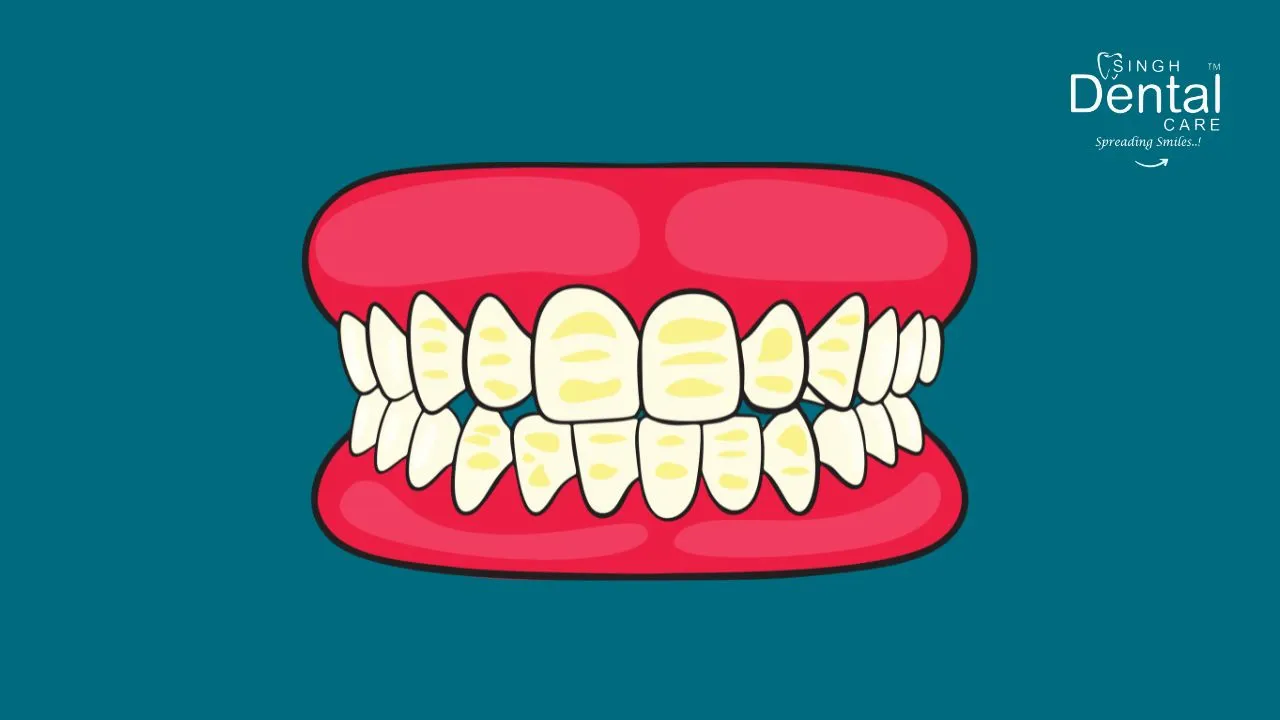
Dental Fluorosis
Understanding Fluorosis
What Is Dental Fluorosis?
Dental fluorosis is a developmental condition that affects the appearance of tooth enamel due to excessive fluoride intake while the teeth are developing, typically from birth until around 8 years of age. It occurs only during tooth formation and does not develop after the permanent teeth have erupted.
In mild cases, fluorosis appears as faint white streaks or spots on the teeth. In more severe cases, it may cause brown discoloration, surface irregularities and enamel pitting.
Although fluorosis usually does not affect the function of the teeth, it can be a cosmetic concern for many individuals.
At Singh Dental Care, we offer comprehensive evaluation and advanced cosmetic treatment options to improve the appearance of fluorosed teeth while preserving their natural strength.
Signs and Symptoms
White streaks or lines on the teeth
Chalky white patches
Opaque or cloudy enamel
Yellow or brown discoloration
Rough enamel surface
Small pits or grooves in severe cases
Cosmetic concerns about the smile
Dental fluorosis is usually painless and does not typically cause tooth sensitivity.
Causes of Dental Fluorosis
High Fluoride Drinking Water :- Naturally high fluoride levels in groundwater are the most common cause in many regions.
Swallowing Fluoride Toothpaste :- Young children who swallow toothpaste regularly may consume excessive fluoride.
Excessive Fluoride Supplements :- Using fluoride tablets or drops without professional guidance may increase the risk.
Fluoride-Containing Foods and Beverages :- Frequent consumption of foods or drinks prepared with high-fluoride water may contribute.
Combined Fluoride Sources :- The risk increases when fluoride exposure comes from multiple sources simultaneously.
Risk Factors
You consumed high-fluoride drinking water during childhood.
You frequently swallowed fluoride toothpaste as a child.
You received unnecessary fluoride supplements.
You lived in an area with naturally high fluoride levels in drinking water.
Multiple fluoride sources were used during tooth development.
Severity of Dental Fluorosis
Very Mild Fluorosis :- Small white flecks or spots
Minimal cosmetic concern
Mild Fluorosis :- White streaks or larger opaque areas
Usually visible only on close examination
Moderate Fluorosis :- More noticeable white patches
Yellow or light brown staining may appear
Surface irregularities may be present
Severe Fluorosis :- Brown stains
Enamel pitting
Rough tooth surfaces
Significant cosmetic concerns
What Happens If Dental Fluorosis Is Left Untreated?
Dental fluorosis generally does not worsen after tooth development is complete.
However, untreated cosmetic concerns may:
Affect smile aesthetics
Reduce self-confidence
Cause psychological or social concerns
Lead to difficulty cleaning severely pitted enamel in advanced cases
Fortunately, modern cosmetic dentistry offers effective treatment options for most cases
Diagnosis at Singh Dental Care :- Our dental team evaluates fluorosis through:
Clinical Examination :- Assessment of enamel color, texture, and severity of discoloration.
Medical and Fluoride History :- Review of childhood fluoride exposure and drinking water history.
Digital Photographs :- Clinical photographs may be taken to document the condition and monitor treatment outcomes.
Digital X-Rays :- Used when necessary to evaluate overall dental health and rule out other conditions.
Differential Diagnosis :- Your dentist will distinguish fluorosis from white spot lesions, enamel hypoplasia, early tooth decay or other enamel defects.
Treatment Options
Professional Teeth Whitening :- May improve the appearance of mild fluorosis by blending tooth color.
Enamel Microabrasion :- A minimally invasive procedure that removes superficial enamel discoloration.
Resin Infiltration (ICON® Treatment) :- Suitable for selected mild to moderate white spot lesions and fluorosis cases to improve aesthetics.
Composite Bonding :- Tooth-colored composite resin is applied to mask discoloration and reshape affected teeth.
Porcelain Veneers :- Recommended for moderate to severe fluorosis with significant discoloration or enamel defects.
Dental Crowns :- Used in severe cases where enamel is extensively damaged and additional protection is required.
Your dentist will recommend the most appropriate treatment based on the severity of the condition.
Prevention Tips
Fluorosis can only be prevented during childhood while teeth are developing.
Parents can help reduce the risk by:
Supervising children while brushing
Using only a pea-sized amount of fluoride toothpaste for children aged 3–6 years
Using a smear (rice grain-sized) amount of toothpaste for children under 3 years, as advised by your dentist
Encouraging children to spit out toothpaste instead of swallowing it
Avoiding unnecessary fluoride supplements unless prescribed
Monitoring fluoride levels in drinking water where appropriate
Once teeth have fully developed, fluorosis cannot occur.
FAQ
Q) Is dental fluorosis harmful?
A) In most cases, fluorosis is primarily a cosmetic condition and does not affect the health or strength of the teeth.
Q) Can fluorosis be cured?
A)The enamel changes are permanent, but modern cosmetic dental treatments can significantly improve the appearance of Fluorosed teeth.
Q) Does fluorosis cause cavities?
A) No, Mild fluorosis may actually make enamel slightly more resistant to decay. However, severe fluorosis with enamel defects may require additional care.
Q) Can adults develop fluorosis?
A) No, Fluorosis occurs only while the teeth are developing during childhood.
Q) Is teeth whitening effective for fluorosis?
A) While professional whitening may help with mild fluorosis, procedures like microabrasion, resin infiltration, bonding, or veneers are frequently needed for moderate or severe cases.
Q) How can I tell if white spots are fluorosis or early tooth decay?
A) Only a dental examination can accurately distinguish fluorosis from white spot lesions caused by early enamel demineralization.
Dr. Bikramjeet Singh
BDS & Fellowship in ImplantologyChief Dental Surgeon & Implantologist • Singh Dental Care
This clinical condition overview has been authored and verified by dental specialists at Singh Dental Care to ensure evidence-based, safe, and accurate oral healthcare guidance.
Seek Professional Advice
Our specialists at Singh Dental Care are equipped with advanced technology to diagnose and treat fluorosis with precision.
Disclaimer: The information provided above is for educational purposes only and should not be considered as medical advice. Please consult with a qualified dental professional for diagnosis and treatment options.