Disease & Condition Directory
Gingivitis
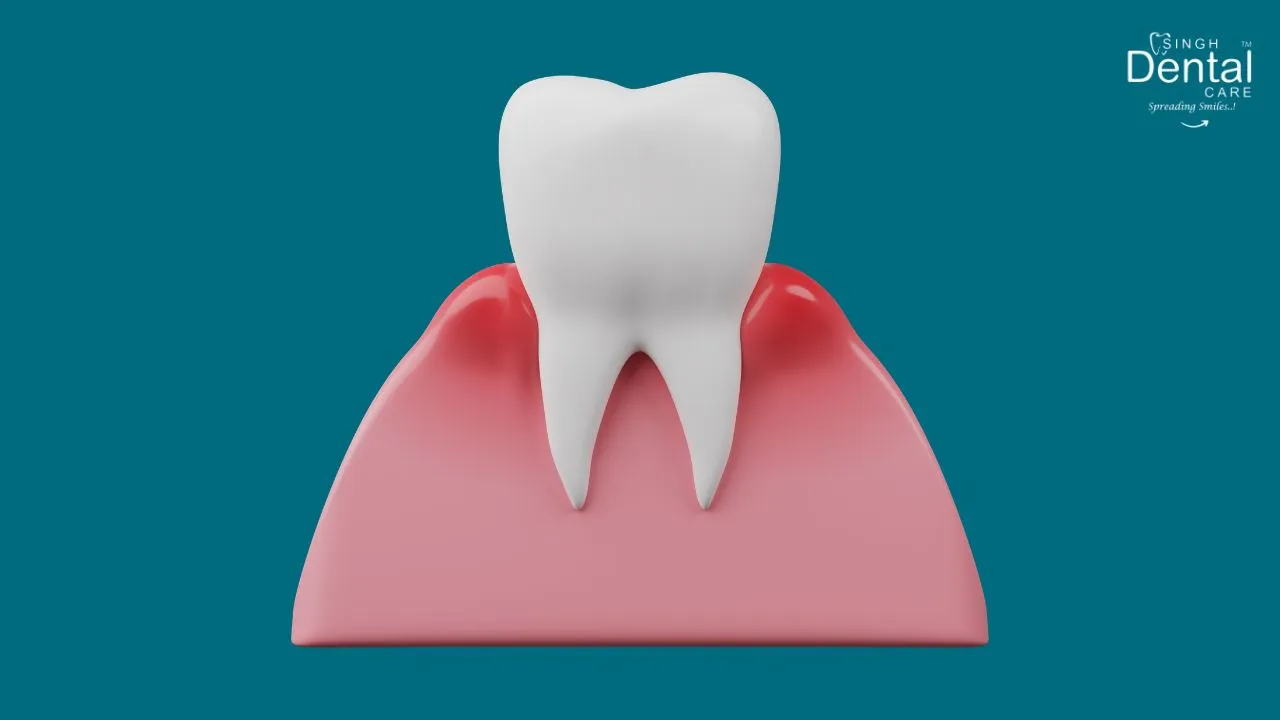
Gingivitis
Understanding Gingivitis
What Is Gingivitis?
Gingivitis is the earliest stage of gum disease, characterized by inflammation of the gums caused by the accumulation of plaque and bacteria around the teeth and gumline. It is a common condition that can affect people of all ages. Gingivitis is reversible when diagnosed and treated early.
At Singh Dental Care, we provide comprehensive gum health evaluations and personalized treatment plans to help restore healthy gums and prevent future complications.
Signs and Symptoms
Redness or swelling in gums
Bleeding during brushing or flossing
Tenderness in gums
Persistent bad breath (halitosis)
Soft or puffy gums
Irritation or discomfort in gums
Gum recession in some cases
Causes of Gingivitis
Poor Oral Hygiene causing plaque and calculus to build up along gumline.
Smoking and Tobacco Use increase the risk of gingivitis.
Hormonal Changes during pregnancy, puberty and menopause.
Medical Conditions like diabetes can deteriorate gum health.
Medications like Anticonvulsants, CCB’s, Immunosuppressants.
Nutritional Deficiencies like Vit.C deficiency.
Risk Factors
Having poor oral hygiene habits
Smoking and using tobacco products
Having diabetes
Experience hormonal fluctuations
Having a weakened immune system
Wearing faulty prosthesis
Taking certain medications
Having a family history of gum disease
Stages of Gum Disease
Stage 1: Gingivitis :- Mild gum inflammation
Bleeding during brushing or flossing
No permanent bone loss
Completely reversible with proper treatment
Stage 2: Early Periodontitis :-
Beginning loss of supporting bone around teeth
Formation of periodontal pockets
Stage 3: Moderate Periodontitis :-
Increased bone loss
Gum recession
Tooth mobility may begin
Stage 4: Advanced Periodontitis :-
Significant bone destruction
Mobile teeth
Increased risk of tooth loss
What Happens If Gingivitis Is Left Untreated?
Progression to periodontitis
Gum recession
Bone loss around teeth
Persistent bad breath
Tooth mobility leading to loss of tooth
Increased treatment complexity and cost
Diagnosis at Singh Dental Care
Clinical Examination :- Our team will do assessment of gum color, swelling, bleeding on probing and overall oral health.
Periodontal Evaluation :- Our team will measure gum pockets around the teeth to evaluate the extent of gum disease.
Digital X-Rays :- Are used to evaluate bone support around the teeth in case of advance gum disease.
Plaque and Calculus Assessment :- Areas with plaque and calculus are identified in order to perform professional cleaning of gums.
Treatment Options :- Treatment depends on the severity of the condition
Professional Dental Cleaning (Scaling) :- Removal of plaque and tartar deposits above and below the gumline.
Oral Hygiene Education :- Personalized instructions for brushing and flossing techniques and use of water flosser.
Antimicrobial Therapy :- In some cases, antibacterial mouth rinses or medications may be recommended.
Management of Contributing Factors :- Addressing smoking, diabetes control or ill-fitting dental restorations.
Periodontal Treatment :- Advanced gum treatments may be required if gingivitis has progressed to periodontitis.
Prevention Tips
Brushing twice daily with fluoride toothpaste
Flossing every day
Using an antimicrobial mouthwash when recommended
Attending regular dental checkups and cleanings after every 6 months
Avoiding tobacco products
Maintaining a healthy diet
Managing medical conditions such as diabetes, as it can adversely effect gums.
FAQ
Q)Is gingivitis reversible?
A)Yes, Gingivitis is usually reversible with professional dental cleaning and improved oral hygiene.
Q)Why do my gums bleed when I brush?
A)Bleeding gums are often an early sign of gingivitis and should not be ignored.
Q) Can gingivitis cause bad breath?
A) Yes, Bacteria associated with gum disease commonly contribute to persistent bad breath.
Q) Is gingivitis painful?
A) Not always, many people have gingivitis without experiencing significant pain.
Q) How long does it take to treat gingivitis?
A) Many patients notice improvement within a few weeks of professional cleaning and proper home care.
Q) Can children develop gingivitis?
A) Yes, Gingivitis can affect children and teenagers, especially when oral hygiene is inadequate.
Dr. Bikramjeet Singh
BDS & Fellowship in ImplantologyChief Dental Surgeon & Implantologist • Singh Dental Care
This clinical condition overview has been authored and verified by dental specialists at Singh Dental Care to ensure evidence-based, safe, and accurate oral healthcare guidance.
Seek Professional Advice
Our specialists at Singh Dental Care are equipped with advanced technology to diagnose and treat gingivitis with precision.
Disclaimer: The information provided above is for educational purposes only and should not be considered as medical advice. Please consult with a qualified dental professional for diagnosis and treatment options.