Disease & Condition Directory
Root Canal Treatment/ RCT
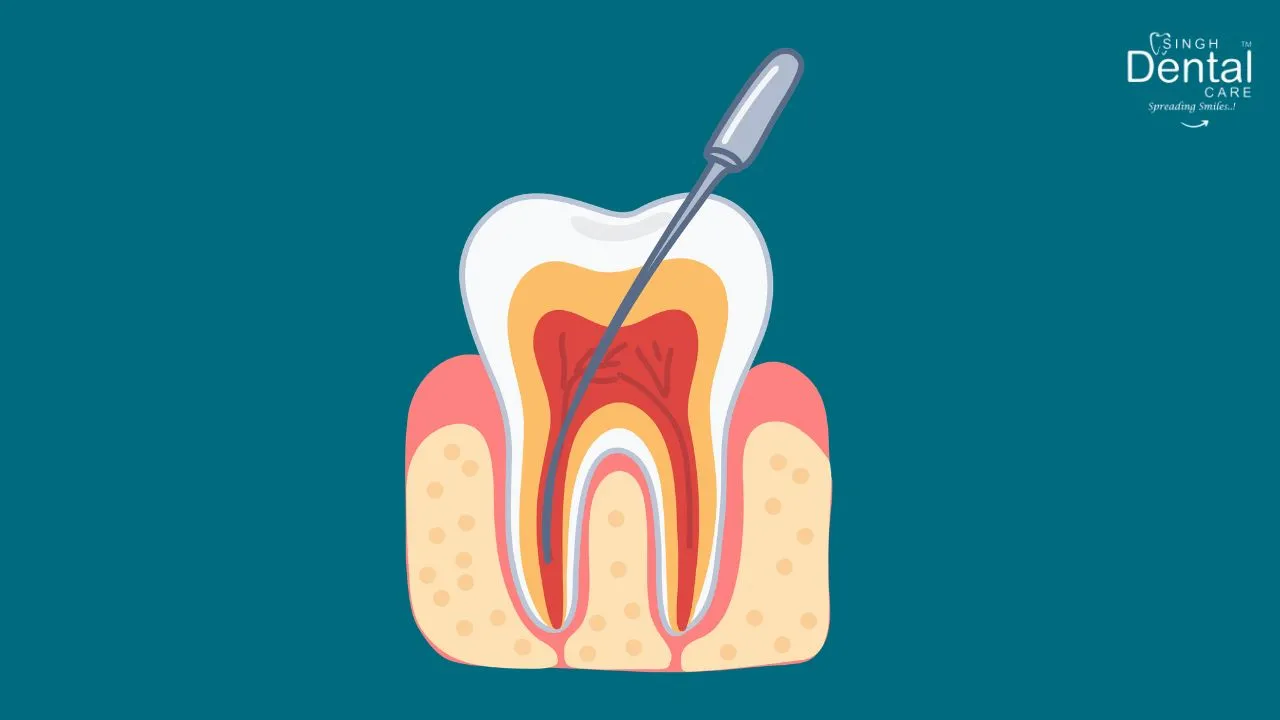
RCT
Understanding Root Canal Treatment/ RCT
What Is Root Canal Treatment?
Root Canal Treatment (RCT) is a dental procedure used to save a tooth that has become infected or severely damaged. The treatment involves removing the infected or inflamed pulp (soft tissue inside the tooth), cleaning and disinfecting the root canals and sealing them with filling material to prevent future infection.
At Singh Dental Care, we use advanced techniques and modern equipment to provide comfortable, painless and predictable root canal treatment.
Why Might You Need a Root Canal Treatment?
Large and deep tooth cavities
Cracked or fractured teeth
Trauma or injury to the tooth
Severe tooth infection (abscess)
Without treatment, the infection can spread to the adjacent tissues and eventually lead to swelling and further tooth loss.
Signs and Symptoms That May Indicate You Need a Root Canal
Persistent toothache
Severe pain while chewing or biting
Sensitivity to hot(more specifically) or cold that lingers
Pimple-like swelling on the gums (Sinus formation)
Tooth discoloration due to previous injury to tooth
Facial swelling in severe infections
Pus discharge from the affected area
How Is Root Canal Treatment Performed?
Step 1: Examination and Diagnosis :- The dentist examines the affected tooth and take digital X-rays to assess the extent of infection and evaluate the root canals to decide about root canal treatment.
Step 2: Local Anesthesia :- The affected area is numbed using local anesthesia to ensure a comfortable and painless root canal procedure.
Step 3: Access Opening :- A small opening is created in the tooth to access the infected pulp tissue.
Step 4: Cleaning and Shaping the Root Canals :- The infected pulp is removed and the root canals are cleaned, disinfected and shaped using specialized instruments.
Step 5: Filling the Root Canals :- The cleaned canals are filled with a biocompatible filling material to seal them and prevent reinfection.
Step 6: Tooth Restoration :- A filling and later on dental crown is placed to restore the strength, appearance and function of the tooth.
Is Root Canal Treatment Painful?
No, Root canal treatment at Singh Dental Care is performed under local anesthesia and is generally no more uncomfortable than receiving a normal dental filling. It is a painless procedure which gives immediate relief from pain caused by the infection.
Benefits of Root Canal Treatment
Preserves the original tooth structure.
Removes bacteria and infected tissue from inside the tooth.
Reduces pain and discomfort caused by infection and inflammation.
Allows normal chewing, biting and speaking.
Helps avoid extraction and the need for tooth replacement options.
Recovery and Aftercare :- Following treatment, patients may experience mild discomfort for a few days and to promote healing of tooth:-
Take prescribed medications as directed
Avoid chewing on the treated tooth until permanent restoration is completed
Maintain good oral hygiene
Brush and floss regularly
Attend follow-up appointments as advised
Possible Risks and Complications:- Root canal treatment has a high success rate, however, rare complications may include:-
Persistent infection
Undetected accessory canals
Fracture of the treated tooth
Reinfection due to delayed crown placement
Instrument separation during treatment
Regular follow-up with your dentist helps ensure long-term success of the treatment.
How Long Does a Root Canal-Treated Tooth Last?
With proper care and timely crown placement, a root canal-treated tooth can last many years and often a lifetime. Success depends on:-
Good oral hygiene
Proper restoration of the tooth
Avoiding excessive biting forces
Regular dental checkup
Watch full video on RCT
https://youtu.be/hvaR4gF-VNU?si=n3twhoRiQqpdQfeY
FAQ
Q)How many visits are needed for a root canal?
A)Most of root canal treatments can be completed in one or two visits, but in some cases with persistent infection and due to complexity of the case, three to four visits may be required.
Q)Is a crown necessary after root canal treatment?
A) In most cases, a crown is recommended to protect the treated tooth from fracture.
Q)Can I eat after a root canal?
A) Yes, but it is advisable to wait until the numbness wears off and avoid chewing on the treated side initially for few days ,till crown is placed over treated tooth.
Q)What happens if I delay treatment?
A)Delaying treatment may allow the infection to spread, leading to increased pain, swelling and possible tooth loss.
Q)Can a root canal treatment fail?
A)Root canal treatment has a high success rate but in some cases due to other factors, tooth can become reinfected and may require retreatment or additional procedures.
Q)Is extraction better than a root canal?
A)Wherever indicated, saving a natural tooth through root canal treatment is usually preferable to extraction.
Dr. Bikramjeet Singh
BDS & Fellowship in ImplantologyChief Dental Surgeon & Implantologist • Singh Dental Care
This clinical condition overview has been authored and verified by dental specialists at Singh Dental Care to ensure evidence-based, safe, and accurate oral healthcare guidance.
Seek Professional Advice
Our specialists at Singh Dental Care are equipped with advanced technology to diagnose and treat root canal treatment/ rct with precision.
Disclaimer: The information provided above is for educational purposes only and should not be considered as medical advice. Please consult with a qualified dental professional for diagnosis and treatment options.