Disease & Condition Directory
Scaling and Polishing
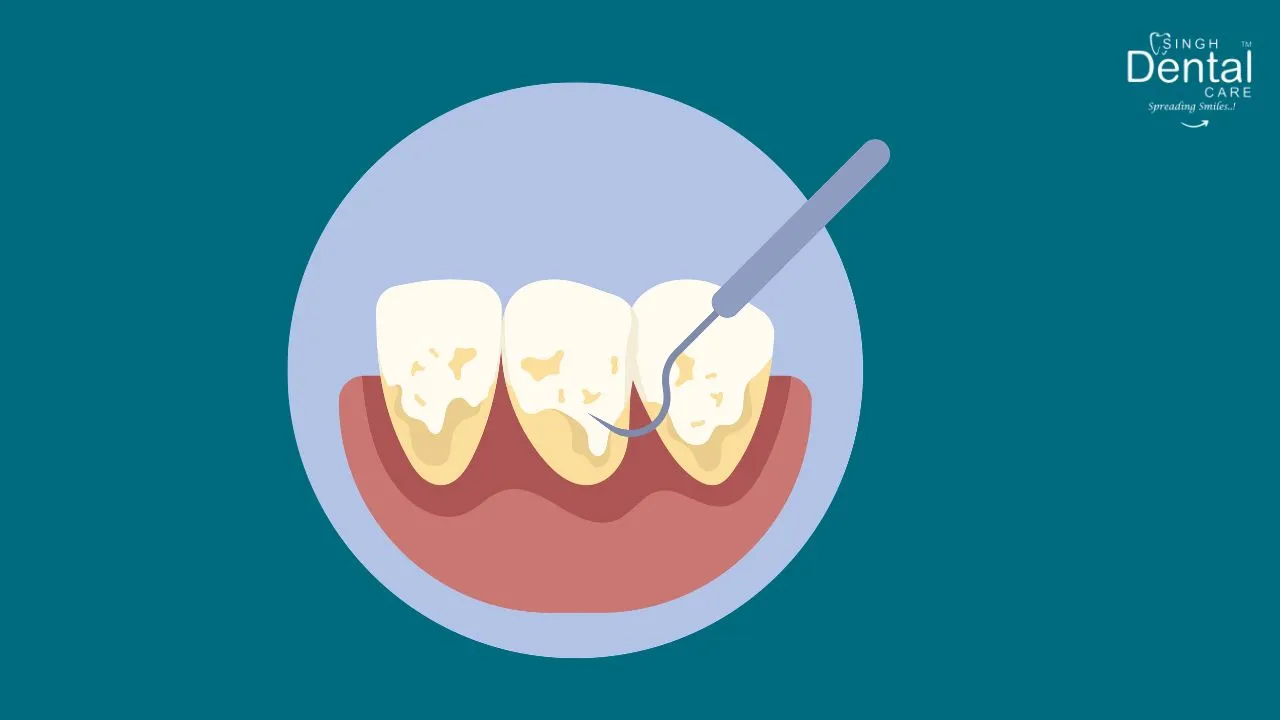
Scaling and Polishing
Understanding Scaling and Polishing
What Is Scaling and Polishing?
Scaling and polishing is a professional dental cleaning procedure designed to remove plaque, tartar (calculus) and surface stains from the teeth. It helps maintain healthy gums, prevents gum disease and improves overall oral hygiene.
Even with regular brushing and flossing, plaque can accumulate in hard-to-reach areas and harden into tartar, which cannot be removed at home. At Singh Dental Care, we provide thorough and comfortable professional cleaning using modern dental equipment and techniques.
Why Might You Need Scaling and Polishing?
Plaque buildup on your teeth
Tartar (calculus) deposits
Bleeding gums
Persistent bad breath
Surface stains from tea, coffee or tobacco
Difficulty cleaning certain areas of your mouth
For routine preventive dental care needs
Signs That You May Need Scaling and Polishing
Bleeding while brushing or flossing
Red, swollen or tender gums
Yellow or brown deposits on teeth
Persistent bad breath
Visible tartar buildup near the gumline
Stained teeth
How Is Scaling and Polishing Performed?
Step 1: Dental Examination :- The dentist evaluates your teeth and gums to identify plaque, calculus buildup and signs of gum disease.
Step 2: Scaling :- Special instruments including ultrasonic scalers and hand scalers are used to remove plaque and calculus from the tooth surfaces and around the gumline.
Step 3: Deep Cleaning :- For patients with gum disease, cleaning may extend below the gumline to remove bacteria and deposits from periodontal pockets, if required.
Step 4: Polishing :- A polishing paste and polishing cups are used to smooth the tooth surfaces and remove superficial stains.
Step 5: Oral Hygiene Instructions :- The dentist provides recommendations on brushing, flossing and maintaining oral health at home.
Is Scaling and Polishing Painful?
Most patients find scaling and polishing comfortable and painless. Some individuals with sensitive teeth, inflamed gums or heavy plaque buildup may experience mild discomfort during or after the procedure. Local anesthesia can be used when necessary.
Benefits of Scaling and Polishing
Eliminates harmful deposits that contribute to cavities and gum disease.
Reduces inflammation, bleeding and irritation of the gums.
Helps prevent gingivitis and periodontitis.
Removes bacteria that cause bad breath.
Removes surface stains and improves the overall appearance of your smile.
Recovery and Aftercare
Brush twice daily with fluoride toothpaste
Floss regularly
Avoid smoking and tobacco products
Limit staining foods and beverages for the first 24 hours as advised
Follow any specific instructions provided by your dentist
Possible Side Effects
Mild tooth sensitivity
Slight gum tenderness
Minor bleeding from inflamed gums
Temporary sensitivity to hot or cold foods and drinks
These symptoms usually resolve within a few days.
How Often Should Scaling and Polishing Be Done?
Low-Risk Patients :- Every 6 months as part of routine dental care
Moderate-Risk Patients :- Every 3–6 months as recommended
Patients with severe Gum Disease :- More frequent maintenance visits may be recommended as per need of the patient
FAQ
Q)Is scaling and polishing the same as teeth whitening?
A)No, Scaling and polishing remove plaque, calculus and surface stains, while teeth whitening changes the natural color of teeth using bleaching agents.
Q)Will scaling damage my teeth?
A)No, Professional scaling safely removes harmful deposits without damaging healthy tooth structure.
Q)Why do my teeth feel smoother after cleaning?
A)Plaque, calculus and surface stains are removed, leaving the tooth surfaces clean and smooth.
Q)Can scaling stop bleeding gums?
A)Yes, by removing the plaque and bacteria causing gum inflammation, scaling mostly helps reduce or eliminate bleeding gums.
Q)Is professional cleaning necessary if I brush regularly?
A)Yes, professional cleaning is advised every 6 month as a part of regular dental checkups.
Dr. Bikramjeet Singh
BDS & Fellowship in ImplantologyChief Dental Surgeon & Implantologist • Singh Dental Care
This clinical condition overview has been authored and verified by dental specialists at Singh Dental Care to ensure evidence-based, safe, and accurate oral healthcare guidance.
Seek Professional Advice
Our specialists at Singh Dental Care are equipped with advanced technology to diagnose and treat scaling and polishing with precision.
Disclaimer: The information provided above is for educational purposes only and should not be considered as medical advice. Please consult with a qualified dental professional for diagnosis and treatment options.