Disease & Condition Directory
TMJ Disorders
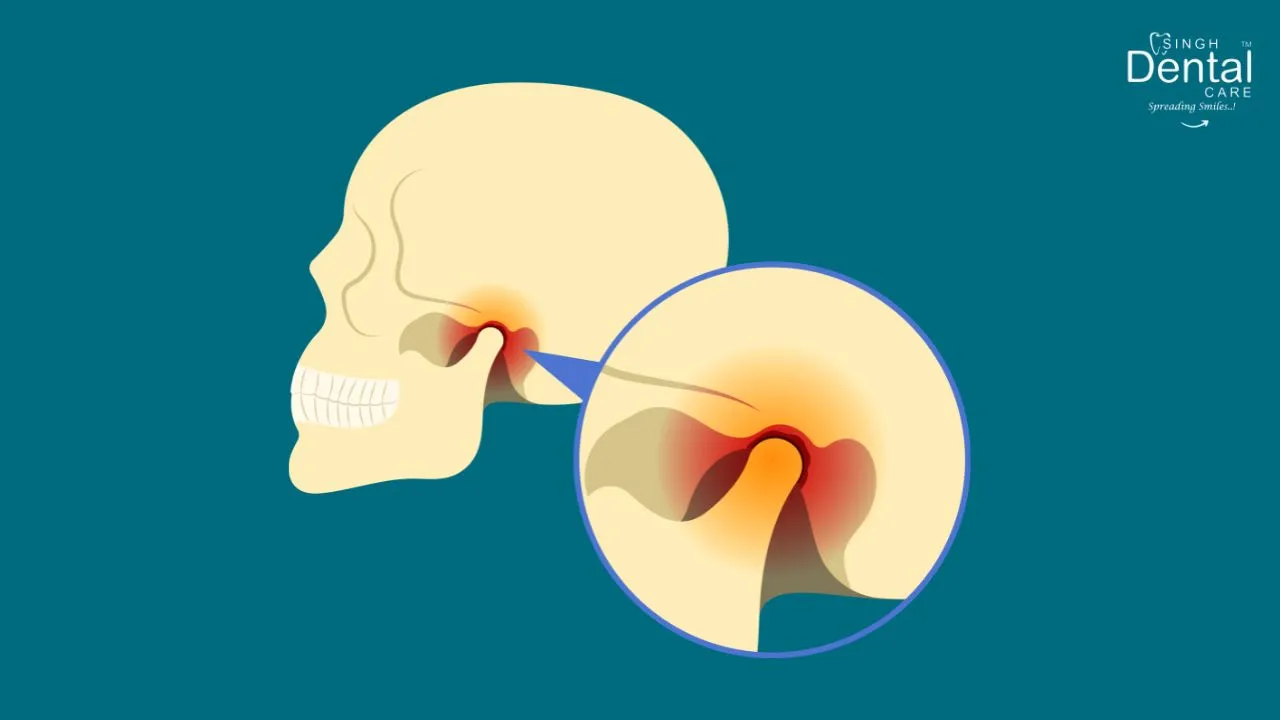
TMJ Disorders
Understanding TMJ Disorders
What Are TMJ Disorders?
Temporomandibular Joint (TMJ) Disorders, also known as Temporomandibular Disorders (TMD), are a group of conditions affecting the temporomandibular joints, the jaw muscles and the surrounding tissues. These joints connect the lower jaw (mandible) to the skull and allow essential movements such as talking, chewing, yawning and swallowing.
TMJ disorders can cause pain, difficulty in jaw movement, clicking or popping sounds and sometimes locking of the jaw. Most TMJ disorders can be managed successfully with conservative treatment when diagnosed early.
At Singh Dental Care, we provide comprehensive evaluation and personalized treatment plans to relieve TMJ pain, restore comfortable jaw function and improve your quality of life.
Signs and Symptoms
Common signs and symptoms of TMJ disorders include:
Pain or tenderness in the jaw joint
Pain while chewing
Clicking, popping or grating sounds during jaw movement
Difficulty opening or closing the mouth
Jaw locking in an open or closed position
Limited mouth opening (Trismus)
Facial pain
Ear pain without an ear infection
Headaches, especially around the temples
Neck and shoulder pain
Uneven or uncomfortable bite
Jaw muscle fatigue
Causes of TMJ Disorders
Teeth Grinding and Clenching (Bruxism) :- Excessive grinding or clenching places significant stress on the jaw joints and muscles.
Trauma or Injury :- Accidents, falls, or direct blows to the jaw may damage the joint.
Arthritis :- Osteoarthritis and rheumatoid arthritis can affect the temporomandibular joint.
Disc Displacement :- The cushioning disc inside the joint may become displaced, leading to clicking, pain, or jaw locking.
Bite Problems (Malocclusion) :- Poor bite alignment may contribute to abnormal stress on the jaw muscles and joints.
Stress :- Stress often leads to unconscious jaw clenching and muscle tension.
Muscle Overuse :- Frequent chewing of gum, nail biting, or excessive jaw movements may overload the jaw muscles.
Risk Factors
You may have a higher risk of developing TMJ disorders if you:
Grind or clench your teeth
Experience chronic stress or anxiety
Have arthritis
Have suffered jaw trauma
Have bite irregularities
Frequently chew gum
Have a history of TMJ problems
Types of TMJ Disorders
Muscle Disorders (Myofascial Pain) :- The most common type, involving pain in the jaw muscles responsible for chewing.
Internal Joint Derangement :- Occurs when the articular disc becomes displaced, causing clicking, popping, or jaw locking.
Degenerative Joint Disorders :- Arthritic changes affecting the temporomandibular joint, including osteoarthritis and rheumatoid arthritis.
Inflammatory TMJ Disorders :- Inflammation of the joint due to arthritis, infection, or other inflammatory conditions.
What Happens If TMJ Disorders Are Left Untreated?
Persistent jaw pain
Chronic headaches
Worsening jaw stiffness
Difficulty eating
Progressive limitation in mouth opening
Frequent jaw locking
Increased tooth wear due to grinding
Sleep disturbances
Reduced quality of life
Diagnosis at Singh Dental Care :- Our dental team performs a detailed evaluation to determine the cause of your TMJ symptoms.
Clinical Examination :- Assessment of jaw movement, muscle tenderness, joint sounds, and range of motion.
Bite Analysis :- Evaluation of your bite and occlusion to identify abnormal contacts.
Medical and Dental History :- Review of symptoms, trauma, stress, grinding habits, and previous treatments.
Muscle Examination :- Assessment of tenderness and function of the chewing muscles.
Digital X-Rays :- Used to evaluate the teeth, jawbone, and surrounding structures.
Advanced Imaging :- When indicated, MRI may be recommended to evaluate the joint disc, while CT scans may be used to assess bony changes.
Treatment Options :- Treatment depends on the underlying cause and severity of the condition.
Patient Education and Lifestyle Changes :- Avoiding hard foods, chewing gum, and excessive jaw movements can reduce symptoms.
Night Guard (Occlusal Splint) :- A custom-made night guard protects the teeth from grinding and reduces stress on the jaw joints.
Medications :- Pain relievers, anti-inflammatory medications, or muscle relaxants may be prescribed when appropriate.
Physiotherapy :- Jaw stretching exercises, massage, posture correction, and physical therapy may improve joint function.
Bite Adjustment :- Minor occlusal adjustments may be considered in carefully selected cases where bite discrepancies contribute to symptoms.
Stress Management :- Relaxation techniques and behavioral therapy may help patients who clench or grind their teeth due to stress.
Minimally Invasive Procedures :- In persistent cases, procedures such as arthrocentesis or joint injections may be recommended by a specialist.
Surgery :- Surgical treatment is reserved for severe cases that do not respond to conservative management.
Prevention Tips
Wearing a custom night guard if you grind your teeth
Managing stress effectively
Avoiding excessive gum chewing
Maintaining good posture
Avoiding biting hard objects
Practicing jaw relaxation exercises
Seeking prompt treatment for jaw pain or bite problems
Attending regular dental check-ups
FAQ
Q)What is the main cause of TMJ disorders?
A)TMJ disorders often result from a combination of factors, including teeth grinding, jaw injury, stress, arthritis, and bite problems.
Q)Can TMJ disorders go away on their own?
A)Mild cases may improve with rest and self-care, but persistent symptoms should be evaluated by a dentist.
Q)Why does my jaw click when I open my mouth?
A)Jaw clicking commonly occurs due to displacement of the joint disc. If it is painless and does not limit movement, treatment may not always be necessary. However, painful or persistent clicking should be evaluated.
Q)Can teeth grinding cause TMJ disorders?
A)Yes. Bruxism is one of the most common contributing factors because it places excessive stress on the jaw joints and muscles.
Q)Is surgery always required for TMJ disorders?
A)No. Most TMJ disorders can be successfully managed with conservative treatments such as night guards, physiotherapy, medications, and lifestyle modifications.
Q)Can TMJ disorders cause headaches?
A)Yes. TMJ disorders frequently cause headaches, facial pain, ear discomfort, and neck muscle pain due to muscle tension and joint dysfunction.
Dr. Bikramjeet Singh
BDS & Fellowship in ImplantologyChief Dental Surgeon & Implantologist • Singh Dental Care
This clinical condition overview has been authored and verified by dental specialists at Singh Dental Care to ensure evidence-based, safe, and accurate oral healthcare guidance.
Seek Professional Advice
Our specialists at Singh Dental Care are equipped with advanced technology to diagnose and treat tmj disorders with precision.
Disclaimer: The information provided above is for educational purposes only and should not be considered as medical advice. Please consult with a qualified dental professional for diagnosis and treatment options.