Disease & Condition Directory
Tooth Sensitivity
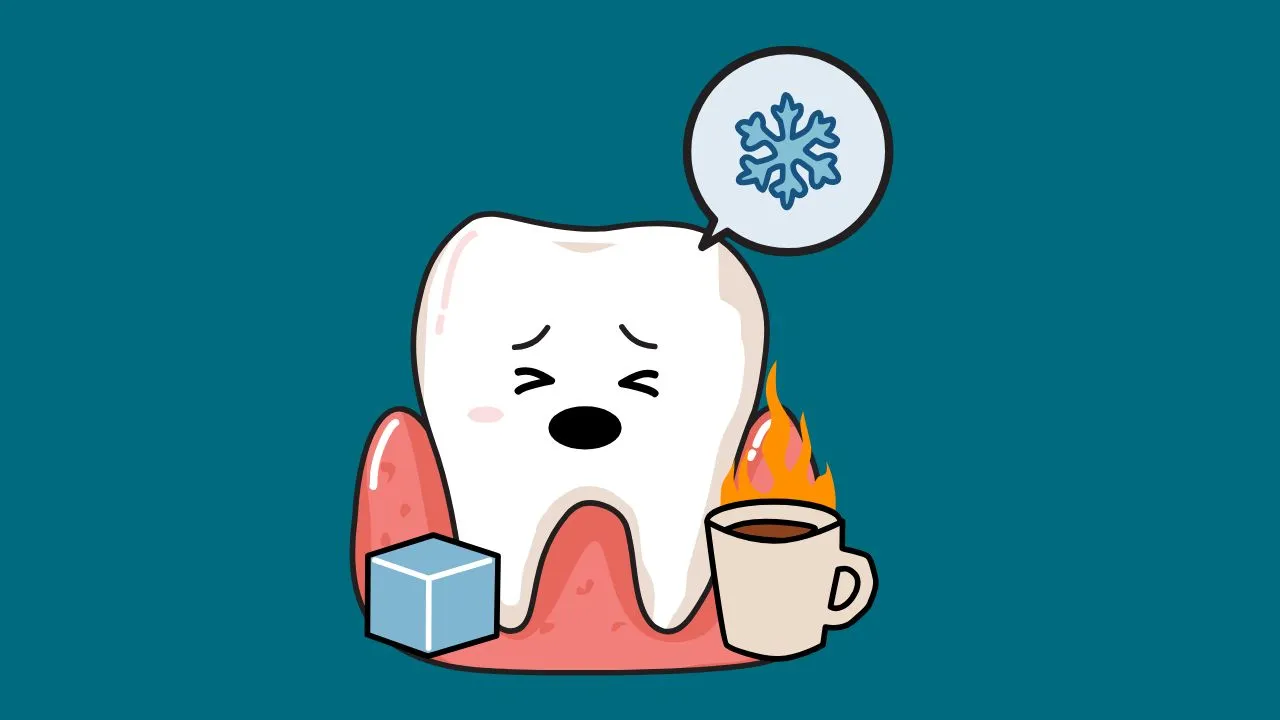
Tooth sensitivity causing sharp pain
Understanding Tooth Sensitivity
What Is Tooth Sensitivity?
Tooth sensitivity, also known as dentin hypersensitivity, is a common dental condition that causes sharp, temporary pain or discomfort when teeth are exposed to certain triggers such as cold, hot, sweet, acidic foods or even cold air.
How it occurs ?
Tooth sensitivity occurs when the protective enamel layer wears down or when gum recession exposes the underlying dentin, allowing external stimuli to reach the nerve of the tooth.
At Singh Dental Care, we identify the underlying cause of tooth sensitivity and provide personalized treatment to help you enjoy your favorite foods and drinks comfortably.
Signs and Symptoms
Sharp pain while consuming cold foods or beverages
Discomfort while eating hot foods or drinking hot beverages
Sensitivity to sweet foods and drinks
Pain when consuming acidic foods such as citrus fruits
Discomfort while brushing or flossing
Sensitivity to cold air/air spray
Temporary pain that disappears once the trigger is removed
Causes of Tooth Sensitivity
Enamel Wear :- The enamel protects the tooth surface as it is protective layer of the tooth. When it wears away due to different reasons, the underlying dentin becomes exposed.
Gum Recession:- Receding gums due to excessive brushing force expose the root surface of the tooth, which lacks protective enamel.
Tooth Decay (Cavities) :- Cavities can expose sensitive inner layers of the tooth, If left untreated for long time.
Cracked or Chipped Teeth :- Damage/Fracture of the tooth structure may expose the dentin and nerves, which cause tooth sensitivity.
Teeth Grinding (Bruxism) :- Grinding or clenching of teeth can wear down enamel over the time period.
Aggressive Brushing :- Brushing too hard or using a hard-bristled toothbrush may damage enamel and gums as it causes wearing of enamel.
Acidic Foods and Drinks :- Frequent consumption of acidic beverages and foods can erode enamel over the time period.
Recent Dental Procedures :- Temporary sensitivity may occur after teeth whitening, fillings, crowns or professional cleaning, which subsides after some time.
Risk Factors
Aggressive brushing using a hard bristled toothbrush
Frequently consume acidic foods or soft drinks
Gum diseases
Grinding or clenching your teeth
Have undergone recent dental treatment
Suffer from acid reflux or gastric disorders
Types of Tooth Sensitivity
Mild Sensitivity:- Occasional discomfort with hot/cold/citrus foods or drinks.
Moderate Sensitivity :- Frequent pain affecting daily eating and drinking habits.
Severe Sensitivity :- Intense pain caused by multiple triggers and significantly affecting quality of life.
What Happens If Tooth Sensitivity Is Left Untreated?
Increased discomfort while eating and drinking
Progression of underlying dental problems
Development of deeper cavities or gum disease
Pulp damage in severe cases
Diagnosis at Singh Dental Care :- Our dental team will identify the root cause through:
Clinical Examination :- Our team will evaluate teeth, gums and exposed root surfaces.
Dental X-Rays :- Digital X-rays are done to detect cavities, fractures or hidden dental problems if any.
Sensitivity Assessment :- Testing the affected teeth using Cold test, Tactile/ Explorer test, Percussion test to determine the source of discomfort.
Bite Evaluation :- Checking for teeth grinding, excessive biting forces and conduct Bite Stress test to rule out any fracture of tooth causing sensitivity.
Treatment Options
Desensitizing Toothpaste :- Special toothpastes help block pain signals from reaching the nerve.
Fluoride Treatment :- Professional fluoride application strengthens enamel and reduces sensitivity.
Dental Fillings :- Used when cavities or worn tooth surfaces are responsible.
Gum Treatment :- Management of gum recession and gum disease.
Dental Bonding :- Protective materials are applied to exposed root surfaces.
Night Guard Therapy :- Recommended for patients who grind/clench their teeth during sleep.
Root Canal Treatment :- In rare cases of severe sensitivity caused by nerve damage.
Prevention Tips
Brushing gently with a soft-bristled toothbrush
Using fluoride toothpaste
Limiting acidic foods and beverages
Wearing a night guard if you grind your teeth
Maintaining good oral hygiene
Attending regular dental checkups
Avoiding excessive teeth whitening treatments without professional guidance
FAQ
Q) Is tooth sensitivity normal?
Occasional mild sensitivity is common but persistent or worsening sensitivity should be evaluated by a dentist.
Q) Can tooth sensitivity go away on its own?
Temporary sensitivity may improve but long-term sensitivity usually requires treatment of the underlying cause.
Q) Which foods commonly trigger tooth sensitivity?
Cold drinks, ice cream, hot beverages, sweets, citrus fruits and acidic foods are common triggers.
Q) Can a cavity cause tooth sensitivity?
Yes, tooth decay can expose deeper tooth layers and cause sensitivity.
Q) Does teeth whitening cause sensitivity?
Some people experience temporary sensitivity after whitening treatments which usually resolves within a few days.
Q) When should I visit a dentist for tooth sensitivity?
If sensitivity persists for more than a few days, becomes severe or interferes with eating and drinking, you should seek professional evaluation.
Dr. Bikramjeet Singh
BDS & Fellowship in ImplantologyChief Dental Surgeon & Implantologist • Singh Dental Care
This clinical condition overview has been authored and verified by dental specialists at Singh Dental Care to ensure evidence-based, safe, and accurate oral healthcare guidance.
Seek Professional Advice
Our specialists at Singh Dental Care are equipped with advanced technology to diagnose and treat tooth sensitivity with precision.
Disclaimer: The information provided above is for educational purposes only and should not be considered as medical advice. Please consult with a qualified dental professional for diagnosis and treatment options.