Disease & Condition Directory
Xerostomia(Dry mouth)
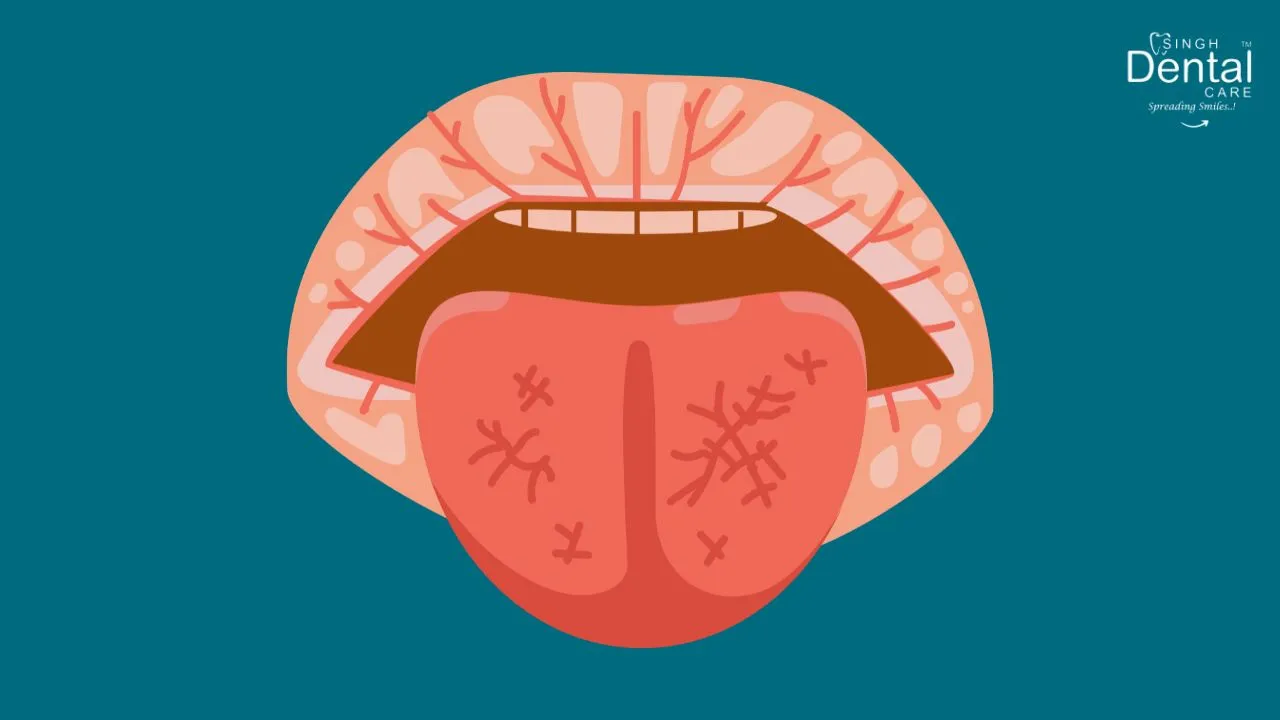
Xerostomia(Dry mouth)
Understanding Xerostomia(Dry mouth)
What Is Xerostomia(Dry mouth)?
Dry mouth, medically known as xerostomia, is a condition in which the salivary glands do not produce enough saliva to keep the mouth adequately moist. Saliva plays an essential role in protecting teeth, preventing tooth decay, aiding digestion, lubricating oral tissues and maintaining overall oral health.
Persistent dry mouth is not just uncomfortable—it can significantly increase the risk of cavities, gum disease, bad breath, oral infections and difficulty eating or speaking.
At Singh Dental Care, we identify the underlying cause of xerostomia and provide personalized treatment to relieve symptoms and protect your oral health.
Signs and Symptoms
Persistent dry or sticky feeling in the mouth
Frequent thirst
Thick or stringy saliva
Difficulty chewing, swallowing or speaking
Burning sensation in the mouth or tongue
Dry, cracked lips
Bad breath (Halitosis)
Altered or reduced sense of taste
Difficulty wearing dentures comfortably
Increased tooth sensitivity
Frequent cavities
Mouth sores or ulcers
Causes of Dry Mouth
Medications :- Hundreds of prescription and over-the-counter medications can reduce saliva production, including:-
Blood pressure medications
Antidepressants
Antihistamines
Decongestants
Pain medications
Muscle relaxants
Aging :- Although aging itself does not directly cause dry mouth, older adults are more likely to take medications that reduce saliva.
Medical Conditions :- Certain medical conditions may contribute to xerostomia, including:
Diabetes
Sjögren's Syndrome
Parkinson's disease
Alzheimer's disease
Stroke
HIV/AIDS
Radiation Therapy :- Radiation treatment to the head and neck can permanently reduce salivary gland function.
Chemotherapy :- Some chemotherapy medications temporarily decrease saliva production.
Dehydration :- Insufficient fluid intake, fever, excessive sweating, vomiting, or diarrhea can lead to dry mouth.
Lifestyle Factors
Smoking
Tobacco use
Alcohol consumption
Mouth breathing
Risk Factors
Take multiple medications
Are over 60 years of age
Have diabetes
Receive radiation therapy to the head or neck
Smoke or use tobacco
Have autoimmune disorders
Are frequently dehydrated
Breathe through your mouth while sleeping
Types of Dry Mouth
Temporary Xerostomia :- Usually caused by dehydration, stress, or short-term medication use and often improves after the underlying cause is corrected.
Chronic Xerostomia :- Persistent dry mouth caused by long-term medical conditions, medications, or permanent salivary gland damage.
What Happens If Dry Mouth Is Left Untreated?
Rapid tooth decay
Gum disease
Oral fungal infections (such as oral thrush)
Persistent bad breath
Difficulty eating and swallowing
Difficulty speaking
Mouth ulcers
Cracked lips
Reduced quality of life
Increased wear of dental restorations due to poor lubrication
Diagnosis at Singh Dental Care :- Our dental team evaluates dry mouth through:-
Clinical Examination :- Assessment of oral tissues, saliva flow, teeth and gums.
Medical and Medication History :- Review of medications, medical conditions and lifestyle factors that may contribute to xerostomia.
Salivary Flow Assessment :- Evaluation of saliva production when indicated.
Dental Examination :- Assessment for cavities, gum disease, oral infections and other complications related to dry mouth.
Additional Investigations :- If necessary, referral for medical evaluation or blood tests may be recommended to identify underlying systemic conditions.
Treatment Options :- Treatment depends on the underlying cause:-
Hydration :- Increasing water intake throughout the day helps relieve mild symptoms.
Saliva Substitutes :- Artificial saliva products may provide temporary relief.
Saliva-Stimulating Products :- Sugar-free chewing gum or lozenge containing xylitol may help stimulate natural saliva production.
Medication Adjustment :- If medications are contributing to dry mouth, your physician may consider alternative options. Never stop or change medications without consulting your healthcare provider.
Prescription Medications :- In selected cases, medications that stimulate saliva production may be recommended.
Fluoride Therapy :- Professional fluoride treatments and prescription fluoride toothpaste help protect against tooth decay.
Treatment of Underlying Medical Conditions :- Managing systemic conditions such as diabetes or Sjögren's Syndrome may improve symptoms.
Prevention Tips
Drinking plenty of water throughout the day
Limiting caffeine and alcohol
Avoiding tobacco products
Chewing sugar-free gum containing xylitol
Using alcohol-free mouthwash
Brushing twice daily with fluoride toothpaste
Flossing every day
Using a humidifier while sleeping if recommended
Visiting your dentist regularly
FAQ
Q)Is dry mouth a serious condition?
A)Yes. Persistent dry mouth can significantly increase the risk of cavities, gum disease, oral infections, and difficulty eating or speaking if left untreated.
Q)Can medications cause dry mouth?
A)Yes. Medication side effects are among the most common causes of xerostomia.
Q)Does drinking more water cure dry mouth?
A)Drinking water helps relieve symptoms, but it may not treat the underlying cause if reduced saliva production persists.
Q)Can dry mouth cause bad breath?
A)Yes. Reduced saliva allows bacteria to multiply more easily, contributing to persistent bad breath.
Q)Is dry mouth common in people with diabetes?
A)Yes. Diabetes can contribute to reduced saliva production and an increased risk of oral health problems.
Q)Can dry mouth increase the risk of cavities?
A)Yes. Saliva protects teeth by neutralizing acids and washing away food particles and bacteria. Reduced saliva significantly increases the risk of tooth decay
Dr. Bikramjeet Singh
BDS & Fellowship in ImplantologyChief Dental Surgeon & Implantologist • Singh Dental Care
This clinical condition overview has been authored and verified by dental specialists at Singh Dental Care to ensure evidence-based, safe, and accurate oral healthcare guidance.
Seek Professional Advice
Our specialists at Singh Dental Care are equipped with advanced technology to diagnose and treat xerostomia(dry mouth) with precision.
Disclaimer: The information provided above is for educational purposes only and should not be considered as medical advice. Please consult with a qualified dental professional for diagnosis and treatment options.